













- Ana Sayfa
- Blogs
- Power management
- Solid State Relay
Solid State Relay
Introduction to Solid State Relays (SSRs)
Solid State Relays (SSRs) have revolutionized modern switching technology, providing a reliable and efficient alternative to traditional electromagnetic relays (EMRs). Developed in the mid-20th century with advancements in semiconductor technology, SSRs use electronic components like thyristors, triacs, or MOSFETs to control electrical loads without moving parts. Unlike EMRs, which rely on mechanical contacts, SSRs offer faster switching speeds, longer lifespans, and silent operation. These advantages make them ideal for industrial automation, HVAC systems, and motor control applications. As industries shift toward more durable and energy-efficient solutions, solid state relays continue to gain popularity across various sectors.
How Solid State Relays Work
As an electrical engineer, understanding the inner workings of solid state relays (SSRs) is essential for optimizing system performance and reliability. Unlike traditional mechanical relays, SSRs utilize semiconductor components such as thyristors, triacs, or MOSFETs to switch electrical loads electronically. The operation begins with an input signal activating an internal LED, which triggers an optocoupler. This optical isolation ensures electrical separation between the control circuit and the load, enhancing safety and preventing electrical noise interference.
For low-voltage applications, such as solid state relay 12V systems, SSRs efficiently switch DC loads without arcing or mechanical wear. This makes them ideal for sensitive electronics, battery-powered devices, and automotive applications. With fast switching speeds, zero-contact degradation, and minimal power loss, SSRs provide superior performance over traditional relays. Whether in industrial automation or home electronics, SSRs continue to be the go-to solution for high-efficiency, long-lasting switching technology.
Solid State Relays Vs Electromagnetic Relays
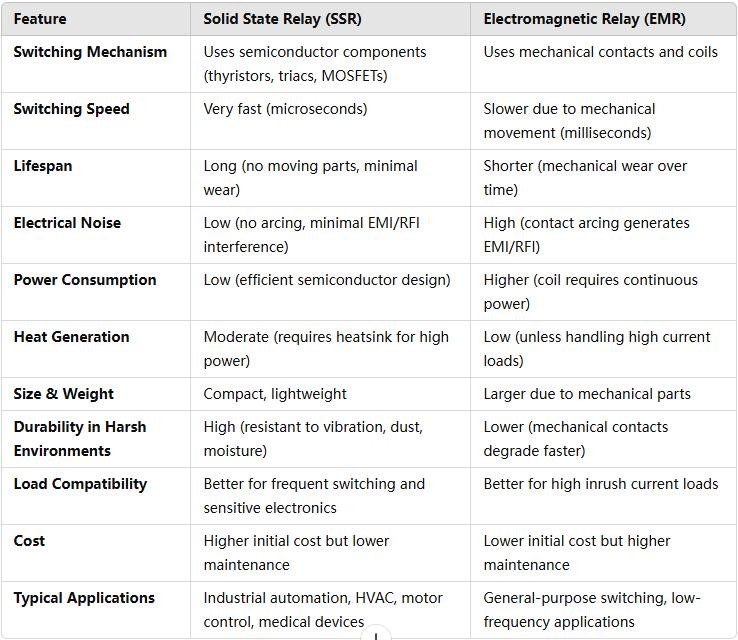
Selecting the right switching technology is crucial for system efficiency and longevity. When comparing electromagnetic relay vs solid state relay, SSRs offer several advantages that make them the preferred choice in many applications.
One of the most significant benefits of SSRs is their longer lifespan. Unlike electromagnetic relays (EMRs), which rely on mechanical contacts that degrade over time, SSRs use semiconductor switching, eliminating physical wear and increasing durability. This translates to higher reliability and minimal maintenance, especially in high-cycle applications.
SSRs also provide faster switching speeds, making them ideal for precision control systems that require rapid response times. Additionally, SSRs operate silently, whereas EMRs produce audible clicking noises during activation. Another key advantage is electrical noise reduction—since SSRs have no arcing contacts, they generate less interference, improving performance in sensitive electronic applications.
Conclusion:
SSRs are ideal for high-speed switching, industrial automation, and long-term reliability.
EMRs are better suited for applications requiring high surge currents and cost-sensitive designs.
Choosing between solid state relays and electromagnetic relays depends on factors such as load type, operating environment, and switching frequency.
Types of Solid State Relays and Their Applications
Solid state relays (SSRs) come in various types, each designed for specific applications. Understanding these variations helps engineers select the best relay for their needs. Below is a breakdown of the most common types of SSRs and their applications.
1. AC vs. DC Solid State Relays
AC SSRs: Designed for switching alternating current (AC) loads. These relays typically use triacs or thyristors and are commonly found in industrial heating, motor control, and lighting systems.
DC SSRs: Optimized for direct current (DC) applications, often using MOSFETs or IGBTs. They are ideal for battery-powered devices, automation systems, and renewable energy applications.
2. Single-Phase vs. Three-Phase SSRs
Single-Phase SSRs: Used in applications where only one phase of power is required, such as home appliances, medical devices, and LED lighting.
Three-Phase SSRs: Essential for heavy-duty industrial applications like motor drives, HVAC systems, and large-scale automation, where all three power phases must be controlled.
3. Zero-Crossing vs. Random Turn-On SSRs
Zero-Crossing SSRs: These relays switch at the zero-voltage point of the AC waveform, reducing electrical noise and extending the life of connected components. They are commonly used in resistive loads like heaters.
Random Turn-On SSRs: These relays can switch at any point in the AC cycle, making them ideal for inductive loads like transformers and motors.
4. Miniature Solid State Relays
Mini 24DC Relay Solid State: Compact and efficient, these SSRs are perfect for space-constrained applications such as PCB-mounted circuits, small automation devices, and control panels. Their ability to handle low-voltage DC switching makes them essential in embedded electronics and IoT systems.
5. High-Current SSRs
Used for industrial and commercial applications requiring high power loads, such as electric vehicle charging stations, power distribution systems, and automated manufacturing lines.
Each type of SSR provides unique benefits based on its application, making it essential to choose the right relay for optimal performance and longevity.
MSD Solid State Relay: A Reliable Industrial Solution
In industrial environments, where reliability, efficiency, and durability are paramount, MSD solid state relays have become a trusted solution for engineers and system designers. These SSRs offer superior performance over traditional relays, making them ideal for automation, motor control, and HVAC applications.
Key Features of MSD Solid State Relay
High Durability: Unlike mechanical relays, MSD SSRs have no moving parts, eliminating contact wear and significantly increasing lifespan.
Fast Switching Speed: With no mechanical delay, MSD SSRs provide instantaneous switching, making them perfect for applications requiring precise control.
Low Power Consumption: Designed for energy-efficient operation, MSD SSRs reduce power loss, optimizing overall system performance.
Electrical Noise Immunity: The use of optical isolation ensures that these relays minimize electromagnetic interference (EMI) and radio-frequency interference (RFI), making them ideal for sensitive electronic circuits.
Compact Design: Their small footprint allows easy integration into control panels and industrial automation systems.
Industrial Applications of MSD Solid State Relays
Automation Systems: MSD SSRs are widely used in programmable logic controllers (PLCs), robotic systems, and industrial automation processes that require rapid, reliable switching.
Motor Control: With the ability to handle high inrush currents and frequent switching cycles, MSD SSRs efficiently control electric motors, conveyor belts, and variable speed drives.
HVAC Systems: Used in heating, ventilation, and air conditioning (HVAC) units, these relays regulate fans, compressors, and temperature control mechanisms with high precision.
Power Distribution: In industrial power management, MSD SSRs ensure stable load control for large machinery and electrical grids.
Medical and Laboratory Equipment: Their silent operation and minimal electrical noise make them ideal for medical imaging devices, diagnostic machines, and precision lab equipment.
Why Choose MSD Solid State Relay?
With their long lifespan, fast response time, and superior reliability, MSD SSRs have become the preferred choice in modern industrial systems. Whether used in automation, motor control, or HVAC, these relays provide a safe, efficient, and maintenance-free switching solution. Investing in MSD SSRs means ensuring the long-term reliability and performance of industrial applications.
Choosing the Right Solid State Relay for Your Needs
Selecting the correct solid state relay (SSR) is critical for ensuring efficient and reliable performance in any application. Engineers must consider key factors such as voltage rating, current capacity, load type, and environmental conditions to avoid system failures and inefficiencies.
1. Voltage and Current Ratings
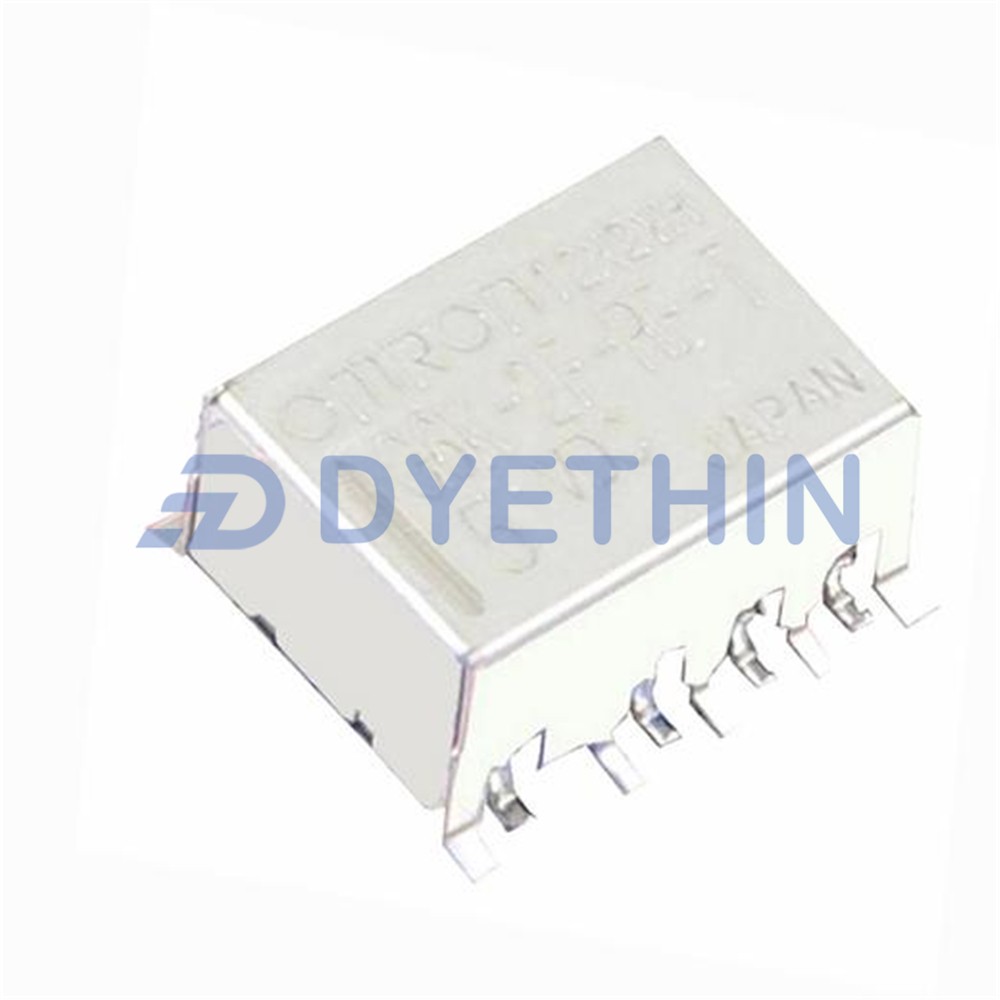
Low Voltage Solid State Relay (12V - 24V DC): Ideal for small-scale electronic circuits, IoT devices, and battery-powered applications. For example, the OMRON G3MB-202P supports 5V DC control with a 24V DC output, making it perfect for microcontroller-based systems.
High Current Solid State Relay (40A - 100A AC/DC): Used in industrial automation, motor control, and HVAC systems. A relay like the Crydom D2425 supports 240V AC loads with 25A current, ensuring high-power applications run smoothly.
2. Load Type Considerations
Resistive Loads (Heaters, LED Lighting): Require zero-crossing SSRs like the Schneider Electric RSR40, which provides smooth switching for heating elements.
Inductive Loads (Motors, Transformers): Benefit from random turn-on SSRs like the Carlo Gavazzi RM1E60AA100, which handles surge currents efficiently.
3. Environmental Factors
Heat Dissipation: High-power SSRs generate heat and need proper cooling solutions, such as heatsinks or thermal pads.
Protection Features: Look for SSRs with overvoltage and short-circuit protection to ensure long-term reliability.
Whether choosing a low voltage solid state relay for PCB circuits or a high current SSR for industrial applications, selecting the right model with the correct specifications is crucial for performance and durability.
Top 5 Leading Solid State Relay Brands
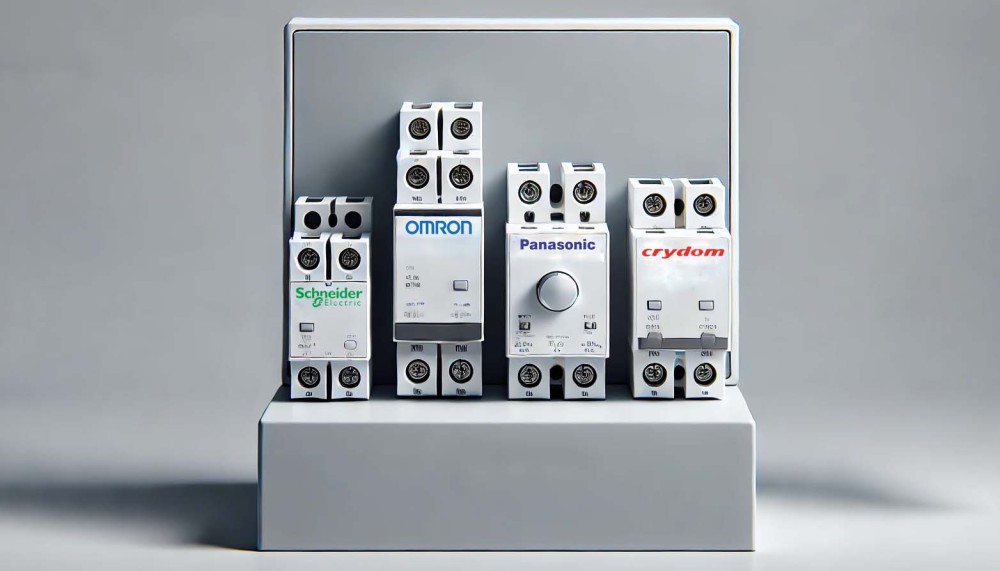
OMRON – A globally recognized brand known for high-quality SSRs used in industrial automation, HVAC systems, and smart home applications.
Crydom – A pioneer in solid state relay technology, offering a wide range of high-performance SSRs for industrial and commercial use.
Schneider Electric – Specializes in energy-efficient and reliable SSRs designed for motor control, lighting systems, and industrial automation.
Carlo Gavazzi – Provides advanced SSR solutions with a focus on high durability and precision control for automation and renewable energy applications.
Panasonic – Offers compact and highly efficient solid state relays widely used in consumer electronics, automotive, and industrial sectors.
Solid State Relay Circuit Design and Installation
As a hardware layout engineer, designing a reliable solid state relay circuit isn’t just about connecting wires—it’s about optimizing performance, efficiency, and safety. SSRs generate heat during operation, and without proper circuit design, issues like voltage drops, overheating, or even component failure can occur.
Key Considerations for SSR Circuit Design
First, choose the right SSR type based on load requirements. If you’re working with a solid state relay 12V DC system, make sure the control voltage and output voltage match the circuit needs. For high-power AC loads, an SSR like the Crydom D2440 (40A, 240V AC) is a great option.
Next, heat dissipation is critical. Since SSRs don’t have moving parts, they rely on efficient thermal management. Always mount high-power SSRs on an aluminum heatsink and, if needed, use thermal compound to improve heat transfer. In industrial setups, a forced-air cooling system may be required for SSRs handling high continuous loads.
For wiring and protection, always use optically isolated control circuits to prevent electrical noise interference. A well-placed fuse or circuit breaker can also protect against short circuits and overloads. When designing PCB layouts, ensure clear trace separation between control and power circuits to avoid interference.
Related articles
CR2025 Battery: Equivalent, Specifications and Replacements
PIC microcontroller technology and application foresight

FAQs
Articles you may also like
Principles and applications of LDO
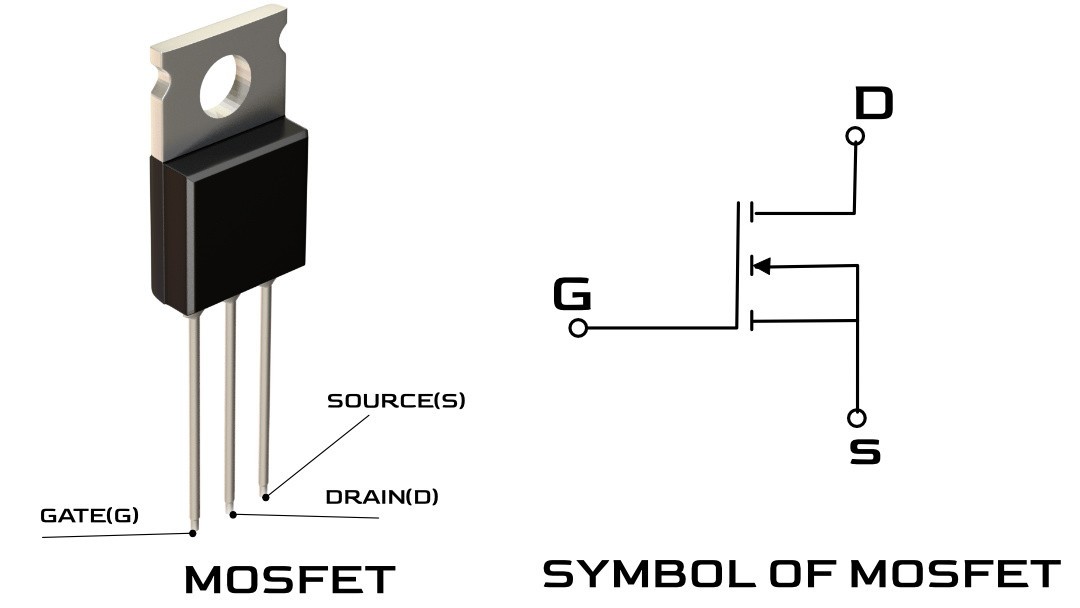
Working principle of field Mosfet transistor triode
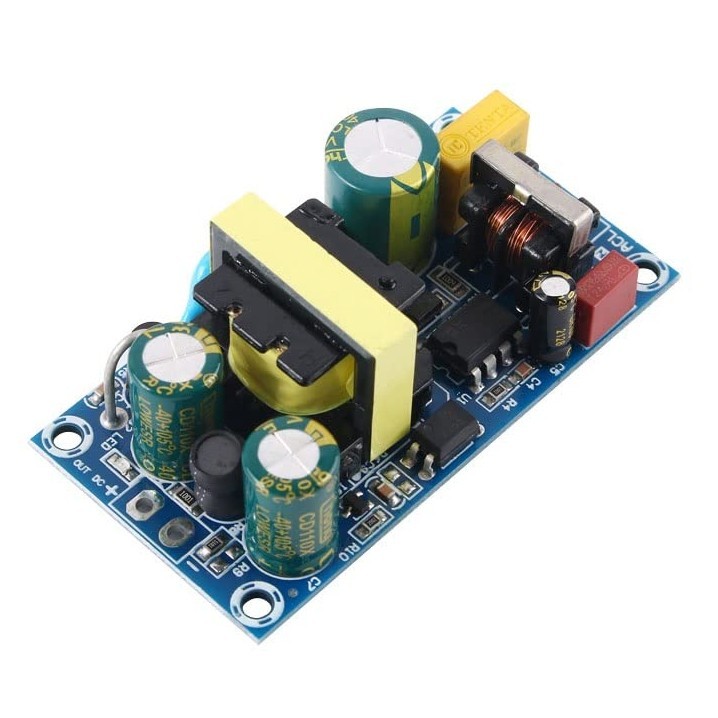
Basic knowledge and working principle of AC to DC converter
A Method for Optimizing the Gate Drive of SiC MOSFETs

-
-
-
-
-
-
-
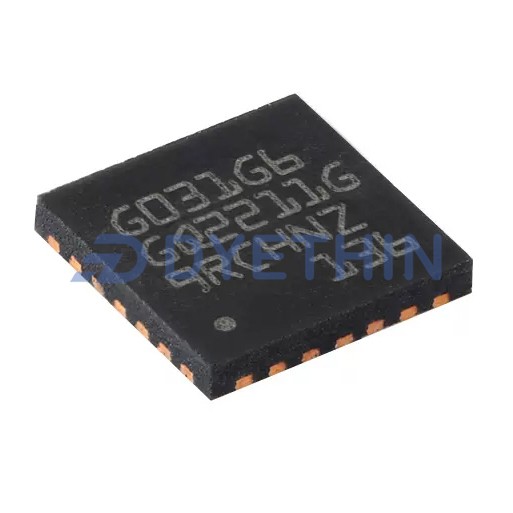
stmicroelectronics
ARM® Cortex®-M0+ STM32G0 Microcontroller IC 32-Bit Single-Core 64MHz 32KB (32K x 8) FLASH 28-UFQFPN (4x4)
-
-