













- Home
- Blogs
- Basic knowledge
- CR1616 Battery Equivalent: Best Replacement Guide
CR1616 Battery Equivalent: Best Replacement Guide
The CR1616 battery is a widely used lithium coin cell battery, commonly found in key fobs, watches, medical devices, and other small electronics. Finding the right CR1616 battery equivalent is crucial to ensure compatibility, performance, and longevity. This guide provides a comprehensive overview of CR1616 equivalents, replacement options, and essential factors to consider.
What is a CR1616 Battery?
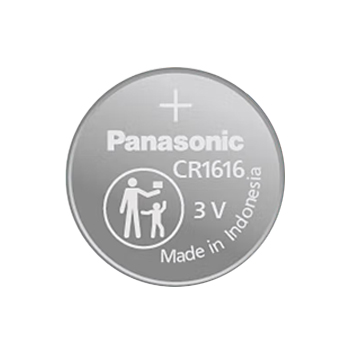
A CR1616 battery is a compact, 3-volt lithium coin cell battery widely used in various small electronic devices. The "CR" in its name signifies its lithium manganese dioxide (Li-MnO2) chemistry, while the numbers "1616" denote its dimensions: 16mm diameter and 1.6mm thickness. This small yet powerful battery is part of the CR series, known for delivering a consistent and stable voltage output, which is essential for devices requiring low but steady power.
The CR1616 battery is prized for its long shelf life, often lasting up to 10 years in storage. Thanks to its robust design and dependable energy delivery, it’s a popular choice for devices like key fobs, watches, calculators, fitness trackers, and medical devices. Its ability to provide reliable power in a compact form makes it an ideal solution for electronics that demand precision and efficiency.
When choosing a CR1616 battery, opting for trusted brands like Duracell, Energizer, or Panasonic ensures enhanced performance and longevity.
CR1616 Battery Specifications
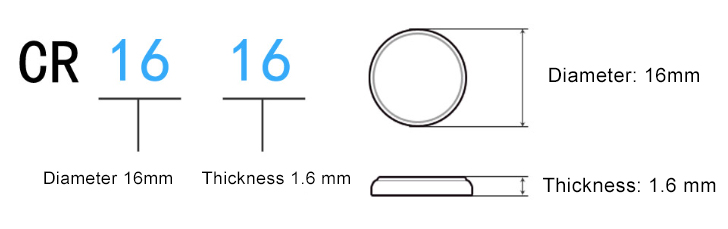
Voltage: 3V
Capacity: ~55mAh
Diameter: 16mm
Thickness: 1.6mm
Chemistry: Lithium
Operating Temperature Range: -20°C to +60°C
Shelf Life: Up to 10 years
Weight: Approximately 1.2g
Leak-Resistant Design: Reduces the risk of corrosion or damage.
Environmental Compliance: Many reputable brands ensure mercury-free and eco-friendly designs.
CR1616 Battery Equivalents and Cross-Reference Guide
When replacing a CR1616 battery, it’s important to choose a suitable equivalent that matches the required voltage, size, and performance. Fortunately, several reputable manufacturers offer compatible alternatives that deliver the same 3V power output and fit seamlessly in devices designed for CR1616 batteries. These equivalents ensure reliability, durability, and optimal performance across various electronics.
CR1616 Battery Equivalents and Models
Here are the most common and trusted CR1616 battery equivalents along with their respective product models:
DL1616 (by Duracell)
Models: Duracell DL1616B, DL1616BP, DL1616BPK
Known for its long shelf life and enhanced performance in everyday electronics like car remotes, key fobs, and watches.
ECR1616 (by Energizer)
Models: Energizer ECR1616BP, ECR1616B1, ECR1616B2
Offers reliable power and maintains consistent voltage output, making it ideal for medical devices, calculators, and fitness trackers.
BR1616 (by Panasonic)
Models: Panasonic BR1616A, BR1616-1W, BR1616B
This battery type is specially designed for extreme temperature conditions, ensuring superior stability in both hot and cold environments. It’s best suited for outdoor gadgets, automotive electronics, and security systems.
KCR1616 (another compatible option)
Models: Maxell KCR1616, Toshiba KCR1616, Renata KCR1616
A versatile alternative known for its stable energy output and compatibility with various electronics, particularly where precision and longevity are key.
Why Choose These Alternatives?
These equivalents maintain the same key characteristics as the CR1616 battery: 3V voltage, 16mm diameter, and 1.6mm thickness, ensuring a perfect fit and stable performance. Selecting one of these alternatives minimizes the risk of device malfunction while ensuring reliable energy output for your electronics.
Whether you’re replacing a CR1616 battery in a watch, key fob, or medical device, these equivalents provide dependable power solutions from trusted brands. By choosing well-known manufacturers like Duracell, Energizer, Panasonic, and Maxell, you ensure superior performance, safety, and longevity in your battery-powered devices.
Key Factors to Consider When Choosing an Equivalent Battery
Selecting the right CR1616 battery equivalent is crucial to ensuring your device performs optimally and remains protected from potential damage. While multiple alternatives are available, focusing on key factors will help you choose a reliable replacement that offers long-term efficiency and stability. Here are the essential considerations to keep in mind:
1. Voltage Stability
Voltage stability is critical when choosing a CR1616 equivalent. The original CR1616 battery delivers a 3V output, and any replacement must provide the same voltage level. Even minor fluctuations can lead to performance issues, especially in sensitive devices such as medical monitors, key fobs, and watches. Opting for trusted brands like Duracell DL1616, Energizer ECR1616, or Panasonic BR1616 ensures consistent voltage delivery.
2. Shelf Life
A battery’s shelf life determines how long it can be stored before its performance starts to decline. High-quality CR1616 equivalents often offer a shelf life of up to 10 years when stored in optimal conditions. Choosing brands that prioritize long-term stability reduces the risk of battery failure, making them ideal for devices used infrequently, such as emergency lights, security devices, or spare car remotes.
3. Temperature Tolerance
If your device is exposed to extreme temperatures, selecting a replacement with enhanced thermal resistance is vital. Panasonic BR1616 batteries excel in both high and low temperatures, ensuring stable performance in outdoor gadgets, automotive electronics, and industrial devices. Their robust design minimizes energy loss in challenging conditions.
4. Device Compatibility
While CR1616 equivalents share similar specifications, some devices may have specific battery requirements. Always consult your device’s user manual or manufacturer’s guidelines to ensure compatibility. Choosing a battery designed for your device reduces the risk of malfunction and extends its lifespan.
By considering these essential factors — voltage stability, shelf life, temperature tolerance, and device compatibility — you can confidently select the best CR1616 battery replacement for your electronics. Investing in a quality battery not only enhances performance but also protects your devices from potential damage.
How to Install a CR1616 Battery Safely
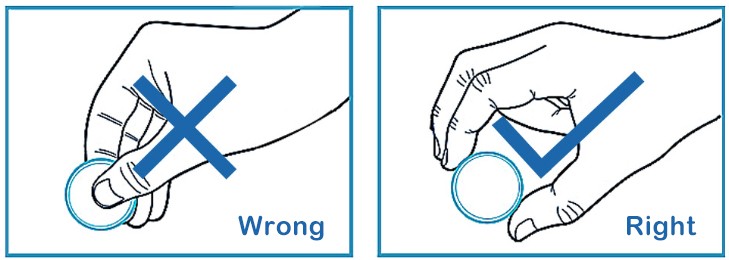
Proper installation of a CR1616 battery is essential to ensure your device functions correctly and remains undamaged. Incorrect handling can lead to battery failure, device malfunction, or even safety hazards. By following these step-by-step instructions, you can safely replace your CR1616 battery and maximize its lifespan.
Step 1: Turn Off the Device
Before beginning the replacement process, switch off your device to prevent potential short circuits or electrical surges. For devices that lack an explicit power-off option, ensure you remove any connected power sources.
Step 2: Open the Battery Compartment
Locate the battery compartment, typically secured with a small screw or clip-on cover. If screws are present, use a precision screwdriver to open the compartment carefully. Avoid using excessive force to prevent damaging the battery slot or casing.
Step 3: Remove the Old Battery
Carefully remove the old CR1616 battery by gently sliding it out with a non-metallic tool, such as a plastic tweezers or non-conductive prying tool. Avoid using metal tools directly on the battery to reduce the risk of short-circuiting.
Step 4: Insert the New Battery
Take your new CR1616 battery and check the polarity markings. The positive side (marked with a “+”) should face up. Incorrect polarity may prevent your device from working or cause damage.
Step 5: Close the Battery Compartment
Secure the battery compartment tightly by reattaching the cover or tightening the screws. Ensure the compartment is properly sealed to avoid loose connections.
Step 6: Test the Device
Power on your device and verify that it’s functioning correctly. If the device doesn’t respond, double-check the battery’s placement, polarity, and compartment closure.
By following these simple yet crucial steps, you can safely replace your CR1616 battery, ensuring consistent performance and prolonging your device’s operational life.
Common Applications of CR1616 Batteries
The CR1616 battery is a versatile power source widely used in numerous small electronic devices that require reliable and long-lasting energy. Due to its compact size, stable 3V output, and extended shelf life, the CR1616 battery has become a popular choice for various gadgets and everyday electronics. Below are some of the most common applications where CR1616 batteries excel.
1. Car Key Fobs
CR1616 batteries are commonly used in car key fobs and remote entry systems. These devices require a steady and low-power voltage supply to operate consistently. The CR1616 battery’s dependable energy output ensures smooth functionality for unlocking doors, activating alarms, or starting push-button ignition systems.
2. Watches
The CR1616 battery’s slim profile and long-lasting power make it ideal for wristwatches, particularly digital models. Its ability to maintain consistent voltage over time helps ensure that watch movements remain accurate and reliable without frequent battery changes.
3. Medical Devices
In the medical field, CR1616 batteries are frequently used in small yet vital devices such as glucose monitors, thermometers, and digital hearing aids. Since these devices require precision and uninterrupted power, the CR1616 battery’s stability and durability make it a trusted choice.
4. Fitness Trackers
Modern fitness trackers rely on lightweight batteries like the CR1616 for continuous power. These batteries effectively support step counters, calorie trackers, and other fitness monitoring functions, contributing to the device’s performance and reliability.
5. Remote Controls
CR1616 batteries are a common power source in compact remote controls for devices such as cameras, sound systems, and garage door openers. Their ability to deliver consistent voltage ensures the responsive performance of these controllers.
6. LED Lights and Small Toys
The CR1616 battery is ideal for compact, energy-efficient devices such as LED keychain lights, decorative LED gadgets, and miniature toys. These devices often require a battery that provides consistent power in short bursts, making the CR1616 a suitable option.
The CR1616 battery’s broad range of applications highlights its adaptability and reliability across various electronics. Whether in everyday household devices, health equipment, or entertainment gadgets, its steady energy output and extended lifespan make it an essential power solution.
CR1616 Battery Disposal and Recycling
Proper disposal of CR1616 batteries is crucial to protecting the environment and ensuring public safety. As a lithium coin cell battery, the CR1616 contains materials that can be harmful if not handled correctly. Following safe disposal practices minimizes environmental impact and supports sustainable waste management.
Why Proper Disposal is Important
Lithium coin cell batteries like the CR1616 contain lithium manganese dioxide and other chemicals that can leak into the environment if discarded improperly. These materials may contaminate soil and water sources, posing risks to ecosystems and human health. Additionally, improper disposal in household waste bins increases the risk of battery fires when batteries are crushed or punctured during waste processing.
Recommended Disposal Practices
To ensure safe disposal of CR1616 batteries, follow these steps:
Use Certified Recycling Centers: Take your used CR1616 batteries to certified battery recycling facilities or electronic waste centers. Many retail stores, supermarkets, and electronics shops offer battery recycling drop-off points for convenience.
Avoid Household Waste Bins: Never throw CR1616 batteries directly into your trash or recycling bin. Improper disposal can result in chemical leakage, fire hazards, and environmental pollution.
Check Local Guidelines: Different regions may have specific regulations for lithium battery disposal. Contact your local waste management authority or visit their website for detailed guidance on disposing of coin cell batteries safely.
Environmental Impact and Sustainability
Recycling CR1616 batteries conserves valuable resources like lithium and manganese, reducing the need for new raw materials. By choosing certified recycling methods, you contribute to a cleaner environment while supporting eco-friendly waste disposal practices.
Taking these steps ensures your old CR1616 batteries are handled safely, promoting responsible recycling habits and reducing environmental harm.
CR1620 Instead of a CR1616
When considering whether a CR1620 battery can replace a CR1616 battery, understanding their differences in specifications is crucial. While both are lithium coin cell batteries, they differ in thickness, which significantly impacts compatibility.
CR1620 Battery Specifications:
Voltage: 3V
Capacity: ~70mAh
Diameter: 16mm
Thickness: 2.0mm
Chemistry: Lithium Manganese Dioxide (Li-MnO2)
Common Uses: Calculators, LED devices, medical gadgets, and remote controls.
Key Differences and Compatibility
While both the CR1616 and CR1620 batteries share the same 16mm diameter and 3V voltage, their thicknesses differ: the CR1620 is 0.4mm thicker than the CR1616. This small size difference can cause fitting issues in battery compartments designed for CR1616 batteries. Additionally, devices with tight battery slots may fail to close properly if fitted with a thicker CR1620 battery.
Conclusion
Before substituting a CR1620 for a CR1616, it’s essential to check your device's battery compartment size. While both batteries deliver the same voltage, the CR1620’s increased thickness may prevent it from fitting securely. Always refer to your device's manual or manufacturer’s instructions to ensure the correct battery type is used, preventing potential damage or performance issues. If precise compatibility is required, it's best to stick with a dedicated CR1616 battery to maintain optimal functionality.
Are CR1616 Batteries Rechargeable?
No, CR1616 batteries are non-rechargeable and attempting to recharge them is highly unsafe. CR1616 batteries are designed as primary lithium coin cell batteries, meaning they are intended for single-use only and cannot be restored through charging. Attempting to recharge a CR1616 battery may cause dangerous reactions such as leakage, overheating, or even explosions, posing serious safety risks.
CR1616 batteries use lithium manganese dioxide (Li-MnO2) chemistry, which is not equipped with the internal structure required for safe recharging. Unlike rechargeable coin cells such as LIR1616 batteries, CR1616 batteries lack protective circuits that regulate voltage during charging.
For optimal safety and performance, always dispose of depleted CR1616 batteries properly and replace them with a new one when needed. If you require a rechargeable alternative, consider checking for compatible lithium-ion (Li-ion) coin cell models designed specifically for recharging. Prioritizing the correct battery type ensures device longevity and user safety.
CR1616 Battery vs CR1632: Key Differences and Comparison
When comparing the CR1616 battery and CR1632 battery, understanding their specifications is essential for choosing the right option. While both are lithium coin cell batteries, they have distinct differences in size and capacity.
CR1616 Battery Specifications:
Voltage: 3V
Capacity: ~55mAh
Diameter: 16mm
Thickness: 1.6mm
Chemistry: Lithium Manganese Dioxide (Li-MnO2)
Common Uses: Key fobs, watches, fitness trackers, and medical devices.
CR1632 Battery Specifications:
Voltage: 3V
Capacity: ~130mAh
Diameter: 16mm
Thickness: 3.2mm
Chemistry: Lithium Manganese Dioxide (Li-MnO2)
Common Uses: Digital thermometers, LED lights, car remotes, and small electronic gadgets.
Similarities and Differences
Both the CR1616 and CR1632 share the same 16mm diameter and 3V voltage, ensuring similar energy output for compatible devices. However, the CR1632 is twice as thick as the CR1616, with a 3.2mm thickness compared to the CR1616's 1.6mm thickness. This difference in size can affect compatibility — a CR1632 battery may not physically fit in devices designed for the slimmer CR1616.
Additionally, the CR1632 battery offers greater capacity (approximately 130mAh) than the CR1616, making it a better option for devices with higher power consumption. Before substituting one battery for the other, always check your device’s battery compartment size and power requirements to ensure compatibility and avoid performance issues.
CR1616 Battery vs CR2016: Key Differences and Comparison
When comparing the CR1616 battery and the CR2016 battery, understanding their specifications is essential for selecting the most suitable option. While both are 3V lithium coin cell batteries, they differ in size and capacity, which directly impacts compatibility and performance.
CR1616 Battery Specifications:
Voltage: 3V
Capacity: ~55mAh
Diameter: 16mm
Thickness: 1.6mm
Chemistry: Lithium Manganese Dioxide (Li-MnO2)
Common Uses: Key fobs, watches, medical devices, and fitness trackers.
CR2016 Battery Specifications:
Voltage: 3V
Capacity: ~90mAh
Diameter: 20mm
Thickness: 1.6mm
Chemistry: Lithium Manganese Dioxide (Li-MnO2)
Common Uses: Car key fobs, LED devices, remote controls, and digital thermometers.
Similarities and Differences
Both the CR1616 and CR2016 batteries provide a consistent 3V voltage and share a similar 1.6mm thickness, ensuring steady power output for compatible devices. However, their primary difference lies in their diameter and capacity. The CR2016 is larger in diameter (20mm) than the CR1616 (16mm) and offers nearly 60% more capacity (approximately 90mAh vs. 55mAh). This higher capacity allows the CR2016 to power devices with greater energy demands for extended periods.
Due to the size difference, a CR2016 battery may not fit in devices specifically designed for a CR1616 battery. Always consult your device manual to ensure the correct battery type, as choosing the wrong size may result in connection issues or device malfunction.
Related articles
CR2025 Battery: Equivalent, Specifications and Replacements
Understanding LED Drivers and Applications
Gas Discharge Tube Symbols, Characteristics and Structure
FAQs
Articles you may also like
CR2025 Battery: Equivalent, Specifications and Replacements
Understanding Toggle Switches: A Comprehensive Guide
CR1632 vs CR2032: Are CR1632 and CR2032 battery equivalent?
CR2430 Battery Replacements, Equivalents, and Applications