













- Startseite
- Blogs
- Internet of Things
- Hall Effect Sensors & Switches
Hall Effect Sensors & Switches
What Are Hall Effect Sensors and Switches?
Hall Effect sensors and switches are essential components in modern electronics, widely used for contactless sensing and switching applications. They operate based on the Hall Effect, a physical principle discovered by Edwin Hall in 1879, where a magnetic field influences the movement of charge carriers in a conductor, generating a measurable voltage.
Hall Effect sensors detect magnetic fields and convert them into electrical signals, making them ideal for position sensing, speed detection, and current measurement. They come in two main types: linear Hall Effect sensors, which provide analog output proportional to the field strength, and digital Hall Effect switches, which output discrete ON/OFF signals.
These sensors are commonly used in automotive systems, industrial automation, consumer electronics, and robotics. They enhance efficiency by enabling non-contact operation, reducing wear and tear compared to traditional mechanical switches. Their reliability, durability, and precision make them an essential choice for engineers designing motion control systems, proximity detection circuits, and security devices.
With their increasing adoption in smart technologies and IoT applications, Hall Effect sensors and switches continue to play a crucial role in automation and intelligent sensing solutions.
How Do Hall Effect Sensors Work?
Hall Effect sensors operate based on the Hall Effect, a fundamental principle in physics that describes how a magnetic field influences electric charge movement in a conductor. When a current flows through a semiconductor material and is exposed to a perpendicular magnetic field, it generates a voltage difference—known as the Hall voltage—which can be measured and processed into an electrical signal.
These sensors are primarily categorized into two types:
Linear Hall Effect Sensors – These sensors provide an analog output that varies proportionally with the magnetic field strength. They are commonly used in current sensing, position detection, and motor control applications.
Digital Hall Effect Switches – These switches function as binary sensors, outputting either ON or OFF signals when they detect a magnetic field above a specific threshold. They are widely used in proximity sensing, speed detection, and security systems.
Unlike traditional mechanical switches, Hall Effect sensors operate without physical contact, making them more durable, reliable, and resistant to wear and environmental factors. Their ability to function in extreme conditions makes them ideal for automotive, industrial, and consumer electronics applications.
Hall Effect Sensors Applications

Hall Effect sensors play a crucial role in various industries, offering reliable and precise magnetic field detection for numerous applications. Their ability to operate without physical contact makes them highly durable and efficient compared to mechanical alternatives. Below are some key industries where Hall Effect sensors are widely used:
Automotive Industry
Hall Effect sensors are extensively used in modern vehicles for functions such as wheel speed detection, crankshaft position sensing, and throttle control. These sensors help optimize engine performance, anti-lock braking systems (ABS), and electronic stability control (ESC) by providing accurate motion and position feedback.
Industrial Automation
In industrial settings, Hall Effect sensors enable precise position tracking, proximity detection, and rotational speed monitoring. They are used in robotic arms, conveyor systems, and motor controllers to improve automation efficiency, safety, and reliability.
Consumer Electronics
Hall Effect sensors enhance the user experience in smartphones, laptops, and gaming controllers. They are commonly used for lid detection in laptops, contactless button control, and magnetic stylus detection in touchscreen devices. Their low power consumption makes them ideal for battery-operated gadgets.
Medical Devices
Hall Effect sensors play a vital role in medical technology, particularly in non-contact switches, infusion pumps, and diagnostic equipment. Their precision and reliability ensure accurate monitoring of fluid levels, motor functions, and patient safety mechanisms.
With the growing demand for smart automation and IoT-driven applications, Hall Effect sensors continue to expand their presence in next-generation technology, ensuring high precision, energy efficiency, and long-lasting performance across industries.
Common Hall Sensor Parts
| Model | Type | Key Features | Common Applications |
| TLE4997E Infineon | Linear Hall Sensor | High precision, programmable, low noise | Automotive throttle, steering systems |
| TLE4966K Infineon | Hall Switch | Low power, robust design | Industrial automation, motor control |
| A1324LUA-T Allegro | Linear Hall Sensor | High sensitivity, analog output | Position sensing, motor control |
| A1104EUA-T Allegro | Digital Hall Switch | High-speed switching, reliable performance | Proximity sensing, security systems |
| DRV5053VAQDBZ Texas Instruments | Linear Hall Sensor | Wide voltage range, precise analog output | Current measurement, robotics |
| DRV5023BIQDBZ Texas Instruments | Digital Hall Switch | Low-power, fast response | Consumer electronics, home automation |
| SS49E Honeywell | Linear Hall Sensor | Ratiometric output, cost-effective | HVAC, medical devices |
| SS311PT Honeywell | Digital Hall Switch | Miniature size, high reliability | Automotive, industrial sensors |
| MLX90242 Melexis | Digital Hall Switch | High durability, built-in temperature compensation | Wheel speed sensors, gear detection |
Hall Effect Switches: Features and Benefits
Hall Effect switches are contactless, magnetically activated electronic switches that provide a more durable and reliable alternative to traditional mechanical switches. Unlike mechanical switches that rely on physical contact, Hall Effect switches detect magnetic fields and output either an ON or OFF signal when a specific threshold is met. This makes them highly efficient for applications requiring precise, high-speed switching without wear and tear.
Key Features of Hall Effect Switches
Contactless Operation – Uses a magnetic field for activation, eliminating mechanical friction and reducing component failure over time.
High-Speed Response – Responds instantly to changes in magnetic field strength, making them ideal for applications like rotational speed detection and proximity sensing.
Extended Durability – Since there are no moving parts, Hall Effect switches last significantly longer than traditional mechanical switches.
Low Power Consumption – Ideal for battery-powered devices and energy-efficient electronics.
Wide Operating Temperature Range – Functions reliably in extreme environments, including automotive, industrial, and aerospace applications.
Benefits of Hall Effect Switches Over Mechanical Switches
More Reliable – No physical contact means no wear and tear, leading to a longer lifespan.
Resistant to Dust, Moisture, and Vibration – Perfect for harsh environments such as factories, automotive systems, and outdoor applications.
Precise and Consistent Performance – Provides accurate and repeatable switching without mechanical inconsistencies.
Because of these features, Hall Effect switches are widely used in automotive keyless entry systems, industrial automation, security devices, and smart home applications. Their combination of durability, efficiency, and precision makes them an essential component in modern electronic systems.
Hall Effect Controllers and Encoders
Hall Effect controllers and encoders play a crucial role in motion control systems, ensuring precise position tracking and speed regulation in robotics, automotive, and industrial applications. These components rely on magnetic field detection to provide accurate and contactless measurement, making them highly durable and efficient.
Hall Effect Controllers in Motion Control
Hall Effect controllers are widely used in electric motors, drones, and robotic systems to regulate speed and direction with high precision. They offer smooth motion control, reducing mechanical wear and improving efficiency in automated systems.
Hall Effect Encoders for Precision Measurement
Hall Effect encoders convert rotational or linear movement into digital signals, ensuring precise feedback in robotic arms, conveyor systems, and vehicle throttle control. Unlike optical encoders, they function reliably in dusty, humid, and extreme temperature environments.
Elon Musk’s Robots and Hall Effect Technology
Elon Reeve Musk’s Tesla Optimus Robot and AI-powered automation systems likely incorporate Hall Effect sensors for seamless motion control and real-time position sensing. These sensors enhance the robot’s ability to interact with its environment, detect objects, and execute precise movements, making them a key technology in the future of AI-driven robotics and automation.
Hall Effect vs. Alps Switches: Key Differences
When choosing between Hall Effect switches and Alps switches, it's essential to understand their differences in performance, durability, and application suitability. Both technologies are used in electronic switching, but they cater to different needs.
Response Time
Hall Effect switches offer instantaneous switching since they detect magnetic fields without physical contact. In contrast, Alps mechanical switches rely on physical actuation, which may introduce slight response delays.
Durability and Lifespan
Hall Effect switches have no moving parts, making them far more durable and resistant to wear. They are ideal for harsh environments where dust, moisture, or frequent usage could degrade mechanical switches. Alps switches, while high-quality, still suffer from mechanical wear over time.
Application Scenarios
Hall Effect switches are best suited for industrial automation, automotive systems, robotics, and gaming controllers, where longevity and precision matter.
Alps switches are popular in audio equipment, mechanical keyboards, and consumer electronics, providing a more tactile feel.
If you need high-speed, long-lasting, and contactless operation, Hall Effect technology is the superior choice. However, for customized tactile feedback and budget-friendly solutions, Alps switches remain a viable option.
Advantages of Using Hall Effect Sensors and Switches
Hall Effect sensors and switches have revolutionized motion control, position sensing, and proximity detection by offering high reliability, long lifespan, and efficient performance. Unlike traditional mechanical sensors, Hall Effect technology provides a contactless operation, making it ideal for applications that require durability and precision.
1. High Reliability and Durability
Since Hall Effect sensors have no moving parts, they are resistant to wear and tear, making them significantly more durable than mechanical alternatives. This feature ensures they function flawlessly in extreme environments, including automotive, industrial, and aerospace applications.
2. Low Power Consumption
Hall Effect sensors operate on minimal power, making them suitable for battery-powered devices, IoT applications, and smart electronics. Their energy efficiency is a key advantage in electric vehicles, medical devices, and wireless systems.
3. Long Lifespan and Minimal Maintenance
With their solid-state design, Hall Effect sensors outlast mechanical components, reducing maintenance costs and downtime. This makes them a preferred choice for automation, robotics, and motor control systems.
4. Contactless Operation for Improved Performance
Unlike mechanical switches, which require physical contact to function, Hall Effect switches work via magnetic field detection. This results in faster response times, smoother operation, and resistance to contaminants like dust, water, and chemicals.
5. Versatility Across Industries
From automotive throttle controls and industrial automation to medical equipment and gaming controllers, Hall Effect technology is widely adopted. Their ability to function in harsh conditions makes them indispensable in next-generation electronics and smart devices.
How to Choose the Right Hall Effect Sensor for Your Application
Selecting the right Hall Effect sensor depends on various factors, including sensitivity, power requirements, operating conditions, and mounting options. Choosing the correct sensor ensures optimal performance, accuracy, and longevity in your application.
1. Sensitivity and Magnetic Field Strength
Different applications require varying levels of sensitivity. For high-precision position sensing, opt for a linear Hall Effect sensor with adjustable sensitivity. For simple ON/OFF detection, a digital Hall Effect switch is sufficient.
2. Power Requirements
If power efficiency is a priority—such as in battery-operated devices or IoT applications—select a low-power Hall Effect sensor to extend battery life.
3. Operating Temperature and Environment
For automotive, industrial, or aerospace applications, choose a sensor with a wide operating temperature range and resistance to extreme conditions. Waterproof and dustproof sensors are ideal for harsh environments.
4. Mounting and Package Type
Hall Effect sensors come in through-hole and surface-mount configurations. Ensure the chosen sensor fits your PCB layout and is easy to integrate into your system.
Future Trends in Hall Effect Technology
Hall Effect technology is evolving rapidly, with advancements enhancing its sensitivity, precision, and integration into next-generation systems. As industries move toward automation, AI-driven solutions, and electrification, Hall Effect sensors are playing a crucial role in smart devices, robotics, and electric vehicles (EVs).
AI and IoT Integration
Future Hall Effect sensors will incorporate AI algorithms for real-time data analysis and predictive maintenance. These smart sensors will enhance industrial automation, autonomous vehicles, and robotic systems by providing self-adjusting sensitivity and improved accuracy.
Enhanced Sensitivity and Miniaturization
New developments in semiconductor materials are making Hall Effect sensors more precise and compact, enabling their use in wearable devices, medical implants, and next-gen consumer electronics.
Expansion in Electric Vehicles (EVs)
As EV adoption grows, Hall Effect sensors are becoming essential for motor control, battery management, and regenerative braking systems. Their ability to operate without mechanical wear ensures reliability in harsh automotive environments.
With these advancements, Hall Effect sensors will continue to redefine automation, smart technology, and energy-efficient solutions, making them indispensable in the future of AI-powered and electric-driven industries.
Why Hall Effect Sensors Matter
Hall Effect sensors and switches have become essential components in modern technology, offering precision, durability, and efficiency in various applications. Their ability to detect magnetic fields without physical contact makes them far more reliable than traditional mechanical alternatives, reducing wear and tear while improving performance.
From automotive and industrial automation to consumer electronics and robotics, Hall Effect technology is driving advancements in motion control, proximity sensing, and smart device integration. With ongoing innovations in AI, IoT, and electric vehicles, these sensors are set to become even more sophisticated, enhancing their adaptability and accuracy.
As industries move toward automation and energy efficiency, investing in Hall Effect sensors can provide businesses and engineers with cost-effective, long-lasting, and high-performance solutions. By understanding their benefits and applications, companies can optimize product designs, improve operational efficiency, and future-proof their technology.
Whether for automotive safety, industrial robotics, or next-gen consumer gadgets, Hall Effect sensors will continue to shape the future of intelligent sensing and automation.
FAQs
Articles you may also like
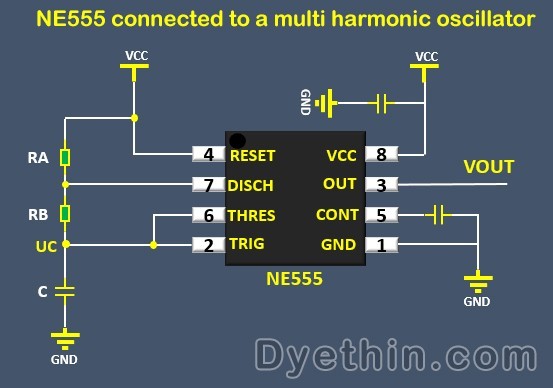
NE555 datasheet and Pinout, NE555 circuits generates square waves
RS485 chip selection and instructions
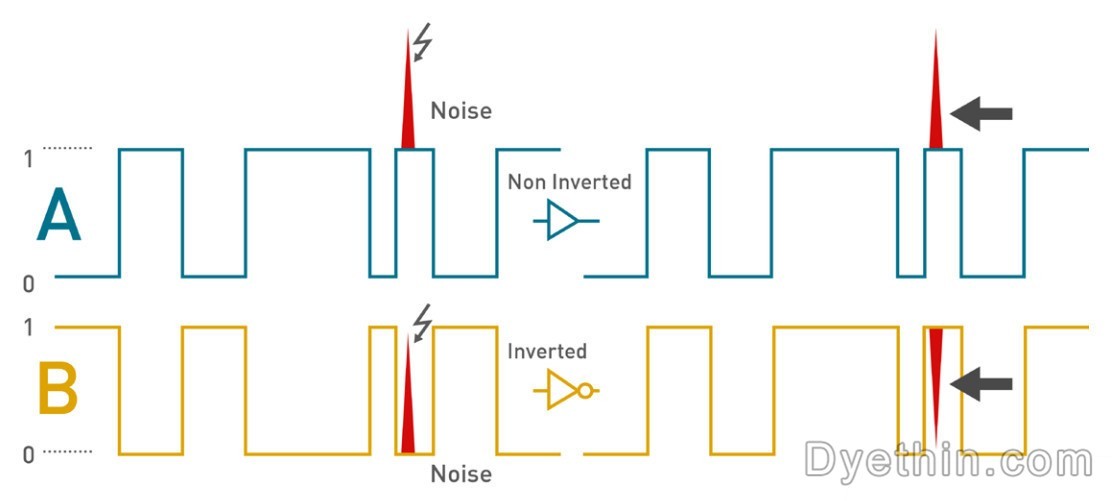
RS485 chip selection and instructionsRS485 chip selection and instructions
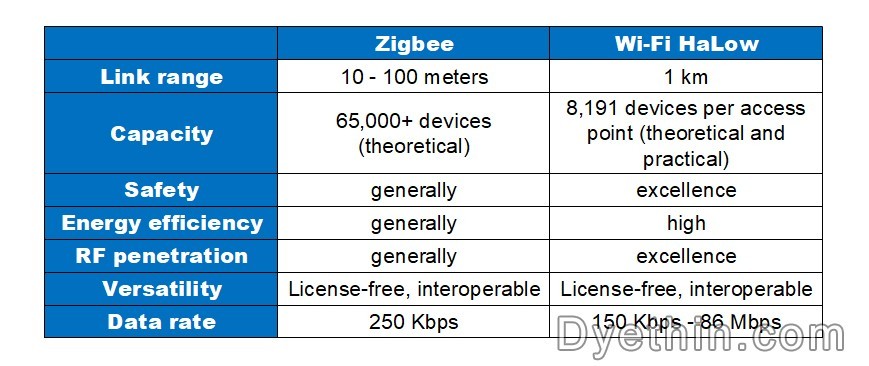
IoT Connectivity - Wi-Fi HaLow Vs Zigbee