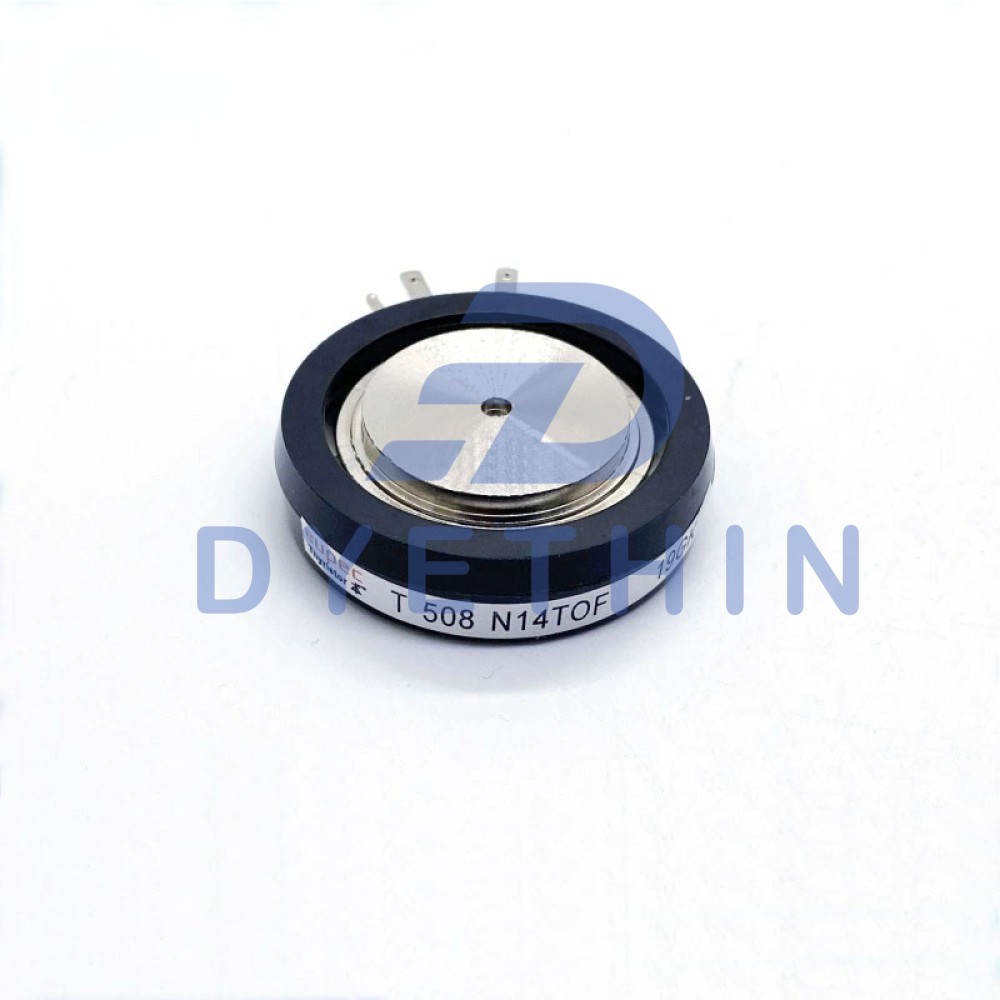














What Is a Schottky Diode and How Does It Work?
Introduction to Schottky Diodes
If you're new to electronics and wondering what is a Schottky diode, this guide will give you a solid starting point. A Schottky diode—named after German physicist Walter H. Schottky—is a semiconductor device known for its fast switching speed and low forward voltage drop. Unlike standard PN-junction diodes, Schottky diodes use a metal-semiconductor junction, which gives them their distinct electrical behavior.

Originally developed to improve power efficiency and signal processing in high-speed circuits, Schottky diodes have become essential components in a wide range of electronic applications, from power rectifiers to radio frequency (RF) systems. Their low voltage drop makes them ideal for circuits where energy conservation and fast response times are critical.
This introduction will cover how Schottky diodes work, their key characteristics, and how they compare to other diode types such as standard, Zener, and fast recovery diodes. Whether you're a hobbyist or just starting in the world of electronic components, understanding the basics of the Schottky diode is a valuable first step.
How Does a Schottky Diode Work?
To understand how a Schottky diode works, it's important to start with its unique internal structure. Unlike conventional diodes, which use a PN-junction formed between p-type and n-type semiconductors, a Schottky diode is built using a metal-semiconductor junction. Typically, a metal such as platinum, molybdenum, or chromium is brought into contact with an n-type semiconductor (usually silicon).
When these two materials come into contact, a Schottky barrier is formed at the interface. This barrier is a potential energy barrier created by the difference in work functions between the metal and the semiconductor. It controls the flow of electrons and plays a central role in the diode’s operation.
In forward bias, electrons from the n-type semiconductor easily gain enough energy to cross the Schottky barrier and move into the metal. Because there are no holes involved, and since the metal doesn't support hole conduction, the charge transport occurs purely through majority carriers—electrons. This results in faster switching speeds and a lower forward voltage drop (typically 0.2–0.4V) compared to a standard silicon diode (around 0.7V).
In reverse bias, the barrier height prevents electrons in the metal from moving into the semiconductor, thereby blocking current flow. However, because of the lower reverse breakdown voltage, Schottky diodes are generally not used in high-voltage applications.
The performance of a Schottky diode is heavily influenced by the metal-semiconductor junction and the characteristics of the Schottky barrier. These properties give it distinct advantages in speed, efficiency, and thermal management—making it ideal for high-frequency and low-voltage applications.
Key Characteristics of Schottky Diodes
When evaluating Schottky diode characteristics, three core parameters define their performance in modern electronic circuits: forward voltage drop, switching speed, and leakage current.
The most recognized trait of a Schottky diode is its low forward voltage drop. While a typical silicon diode exhibits a forward voltage of around 0.7V, Schottky diodes generally operate between 0.2V and 0.4V. This lower voltage drop translates to reduced power loss and improved energy efficiency, particularly in low-voltage and high-current applications such as DC-DC converters and battery-operated systems. Less voltage wasted across the diode means less heat generated, simplifying thermal design.
Another standout characteristic is the high switching speed. Standard PN-junction diodes store minority carriers during conduction, which must recombine before the diode can turn off. In contrast, Schottky diodes use a unipolar conduction mechanism—only electrons are involved—allowing them to switch on and off much faster. This makes them ideal for high-frequency applications like switching regulators, RF circuits, and protection diodes in digital systems. Faster switching speed not only boosts performance but also reduces switching losses in power systems.
However, Schottky diodes also have limitations. One key drawback is their relatively high leakage current under reverse bias. Due to the nature of the metal-semiconductor junction and lower barrier height, reverse leakage current is higher compared to traditional diodes, and it increases with temperature. This can be a concern in precision analog circuits or power-sensitive designs, where leakage could affect performance or drain power unnecessarily.
In addition, most Schottky diodes have lower reverse voltage ratings, typically below 100V, limiting their use in high-voltage applications. Despite these constraints, the unique combination of low forward voltage, rapid switching, and compact design keeps Schottky diodes in demand across a wide range of electronics—from power management ICs to high-speed logic protection.
Schottky Diode vs Other Diodes: A Practical Comparison
When selecting the right diode for a circuit, understanding the differences between diode types is essential. Schottky diodes offer unique advantages that make them ideal for specific applications, but they are not universally better than other diodes. In this section, we’ll compare the Schottky diode vs standard diode, vs Zener, vs germanium, and vs fast recovery diode, highlighting their key differences and practical use cases.
Schottky Diode vs Standard PN-Junction Diode
A standard diode, typically made from silicon, uses a PN junction to allow current flow in one direction. These are general-purpose components found in rectification, voltage blocking, and signal clamping.
Key differences:
Forward Voltage Drop:
Schottky: 0.2V to 0.4V
Standard: ~0.7V
➤ Schottky diodes are more efficient due to lower power loss.
Switching Speed:
Schottky: Extremely fast (nanoseconds)
Standard: Slower due to minority carrier storage
➤ Schottky is preferred in high-frequency applications like SMPS.
Reverse Leakage Current:
Schottky: Higher
Standard: Lower
➤ For low-leakage needs, standard diodes are more suitable.
Applications:
Schottky: Power converters, high-speed switching
Standard: Rectification, general-purpose current blocking
Schottky Diode vs Zener Diode
Zener diodes are designed to operate in reverse breakdown and are widely used for voltage regulation and protection.
Key differences:
Functionality:
Schottky: Used in forward-bias for fast switching
Zener: Operates in reverse-bias to maintain stable voltage
Voltage Control:
Schottky: Not suitable for regulation
Zener: Excellent voltage stabilizer
Speed:
Schottky: Faster due to unipolar conduction
Zener: Slower, intended for static applications
Applications:
Schottky: Logic circuits, power efficiency
Zener: Voltage references, surge protection
➤ If you're designing a power rail with regulated output, a Zener diode is the go-to choice. If fast switching is needed, Schottky wins.
Schottky Diode vs Germanium Diode
Germanium diodes are older semiconductor devices known for their low forward voltage drop, similar to Schottky diodes.
Key differences:
Forward Voltage Drop:
Schottky: 0.2V–0.4V
Germanium: ~0.3V
➤ Very similar, but Schottky has better thermal stability
Temperature Sensitivity:
Schottky: Better temperature tolerance
Germanium: Less stable under heat
Availability:
Schottky: Widely available and manufactured
Germanium: Limited, older technology
Applications:
Schottky: Power and digital logic circuits
Germanium: RF detectors, vintage restoration, audio
➤ For most modern designs, Schottky diodes are preferred due to availability and stability, though germanium diodes still see niche use.
Schottky Diode vs Fast Recovery Diode
Fast recovery diodes are designed to switch off more quickly than standard diodes, often used in high-speed rectification where reverse recovery time matters.
Key differences:
Reverse Recovery Time:
Schottky: Nearly zero (no minority carriers)
Fast Recovery: Fast, but still has some reverse recovery time
Voltage Rating:
Schottky: Limited (typically <100V)
Fast Recovery: Can handle higher voltages (>600V)
Efficiency:
Schottky: High at low voltages
Fast Recovery: Better for high-voltage applications
Applications:
Schottky: Low-voltage SMPS, battery systems
Fast Recovery: High-voltage rectifiers, PFC circuits
➤ Use fast recovery diodes where higher reverse voltage and fast switching are both needed. For low-voltage, ultra-fast response, Schottky is superior.
Real-World Applications of Schottky Diodes
Due to their low forward voltage drop, fast switching speed, and unipolar conduction, Schottky diodes are widely used across various industries and circuit types. Understanding where to use Schottky diode components can help designers maximize power efficiency, improve response time, and ensure device protection in compact and cost-effective ways.
Below are some of the most common and practical Schottky diode applications found in real-world electronics:
1. Power Supply Rectification
One of the most widespread uses of Schottky diodes is in power supply circuits, especially in switch-mode power supplies (SMPS). In both AC-DC and DC-DC converters, Schottky diodes are used for output rectification due to their low forward voltage and fast recovery characteristics.
Benefits in power supply applications:
Lower heat generation thanks to reduced forward voltage
Improved efficiency, especially in low-voltage output rails
Compact heat sink requirements due to reduced thermal losses
Common applications:
DC-DC buck or boost converters
Synchronous rectifiers
Power adapters for mobile devices and laptops
2. Reverse Polarity Protection
Schottky diodes are ideal for reverse voltage protection in battery-powered systems and embedded devices. When placed in series with the power input, the diode blocks current flow if the supply is accidentally reversed.
Why use Schottky here:
Minimal voltage drop ensures little impact on supply voltage
Fast response prevents damage to sensitive components
Compact form factor fits well in portable designs
Used in:
Embedded microcontroller systems
IoT edge devices
Automotive electronics
3. OR-ing Diodes in Redundant Power Systems
In dual or redundant power supply systems, Schottky diodes are commonly used in OR-ing configurations. This allows multiple power sources to be connected in parallel while preventing backfeeding from one supply to another.
Advantages of Schottky OR-ing diodes:
Lower conduction losses due to low forward voltage
Quick switch-over time between supplies
Increased power reliability in server or critical systems
Applications:
Telecom power backups
Server power management
Dual-input DC systems (e.g., USB + battery)
4. Logic Level Clamping and Protection
Schottky diodes are also used in digital logic circuits for clamping and level shifting. Their fast switching and low forward drop make them ideal for protecting logic ICs against voltage spikes or interfacing between different voltage domains.
Use cases in logic systems:
Clamp diodes to prevent overshoot on GPIOs
Fast switching logic circuits
TTL-level signal protection
Because of their speed, they are often preferred over Zener diodes when the application requires fast transient suppression.
5. Solar Panel Blocking Diodes
One of the most popular Schottky diode applications in consumer electronics is in solar panel systems. Diodes are required to prevent the battery from discharging back into the panel during low-light or nighttime conditions.
Schottky benefits in solar applications:
Lower voltage drop means more power is delivered to the battery
Helps maintain overall system efficiency
Reduces thermal buildup on the panel side
Application examples:
Off-grid solar charging systems
Solar-powered IoT or lighting devices
Portable solar USB chargers
6. RF and High-Frequency Applications
Thanks to their extremely fast switching characteristics, Schottky diodes are also used in radio-frequency (RF) circuits, such as detectors, mixers, and clippers.
RF benefits:
High-speed response
Low capacitance
Stable performance over a wide frequency range
You’ll find Schottky diodes in:
RF envelope detectors
Demodulators
Signal clipping circuits in communication systems
7. ESD and Transient Protection
Although not as robust as dedicated TVS (Transient Voltage Suppression) diodes, Schottky diodes are sometimes used for basic ESD protection, especially in low-voltage logic systems.
They can shunt short transient spikes away from sensitive IC inputs without introducing large voltage drops that could interfere with signal integrity.
When Should You Use a Schottky Diode?
Understanding when to use a Schottky diode is important for making informed design decisions, especially in circuits where speed, efficiency, and voltage drop matter. While Schottky diodes are not always a direct replacement for standard or Zener diodes, they are the ideal choice in several common scenarios.
One of the most compelling reasons to choose a Schottky diode is its low forward voltage. In circuits where power loss must be minimized—such as battery-powered devices, low-voltage power rails, or energy-efficient systems—a low forward voltage diode like the Schottky ensures minimal energy is wasted. This contributes directly to improved power efficiency and lower heat generation, which is especially beneficial in compact or thermally sensitive designs.
You should also consider using a Schottky diode in high-speed switching environments. Since these diodes conduct via majority carriers only, they have almost no reverse recovery time. This makes them ideal for high-frequency applications like switch-mode power supplies (SMPS), high-speed digital logic protection, and RF circuits.
In addition, Schottky diodes are a smart choice for reverse polarity protection in embedded systems. Their low forward voltage ensures that the voltage drop across the protection path is negligible, preserving available supply voltage for sensitive components.
Choose a Schottky diode when your design requires fast response, low voltage loss, or enhanced energy efficiency. Just keep in mind their limitations in terms of leakage current and reverse voltage ratings when selecting the right model.
Choosing the Right Schottky Diode
Selecting the best Schottky diode depends on your specific circuit requirements, such as voltage rating, current handling, switching speed, and package type. While there are hundreds of models available, a few popular and beginner-friendly options stand out for their reliability and versatility.
Here’s a quick selection guide featuring some commonly used Schottky diodes:
1. 1N5819
Voltage Rating: 40V
Current Rating: 1A
Package: DO-41 (through-hole)
Use Case: Ideal for general-purpose power rectification, low-voltage DC circuits, and hobbyist projects.
➤ A classic Schottky diode, widely used in power supply designs due to its balance of voltage rating and low forward drop.
2. SS14
Voltage Rating: 40V
Current Rating: 1A
Package: SMA (surface mount)
Use Case: Suitable for compact PCBs in consumer electronics, USB-powered devices, and portable systems.
➤ Known for its small size and efficiency, SS14 is one of the most widely used SMD Schottky diodes.
3. MB6S (Bridge Rectifier with Schottky Performance)
Voltage Rating: ~600V
Current Rating: 0.5A
Package: Miniature bridge
Use Case: AC to DC conversion where space is tight and fast switching is needed.
➤ While not a pure Schottky, it offers similar speed advantages in integrated form.
When choosing a Schottky diode, always verify:
Peak reverse voltage (VRRM)
Average forward current (IF)
Package type (SMD vs. through-hole)
Reverse leakage current at operating temperature
For most low-voltage and fast-switching needs, 1N5819 and SS14 are great starting points.
Conclusion
In this Schottky diode summary, we’ve explored what makes Schottky diodes unique—from their metal-semiconductor structure and fast switching behavior to their practical advantages in power efficiency and circuit protection. Whether you’re building a DC power supply, designing logic-level clamping, or working on a solar charging system, Schottky diodes offer reliable and energy-efficient performance.
For those new to beginner electronics, experimenting with Schottky diodes is a great way to understand real-world trade-offs in component selection. Their low forward voltage drop and rapid response time can significantly improve circuit performance, especially in compact or battery-powered designs.
As you continue building your electronics skills, consider incorporating Schottky diodes into your next project—they’re small components with a big impact.
Related articles
PIC microcontroller technology and application foresight
CR2025 Battery: Equivalent, Specifications and Replacements
CR2430 Battery Replacements, Equivalents, and Applications
SMD Capacitor Code Calculator: Decode Surface Mount Capacitor Values Instantly
FAQs
Articles you may also like
Design of High Current H-Bridge Motor Drive Circuit
The working principle, key parameters, and selection of TVS
Understanding NAND Gate: The Universal Logic Gate in Digital Circuits
Gas Discharge Tube Symbols, Characteristics and Structure