













- Ana Sayfa
- Blogs
- Basic knowledge
- Crystal oscillator structure and working principle
Crystal oscillator structure and working principle
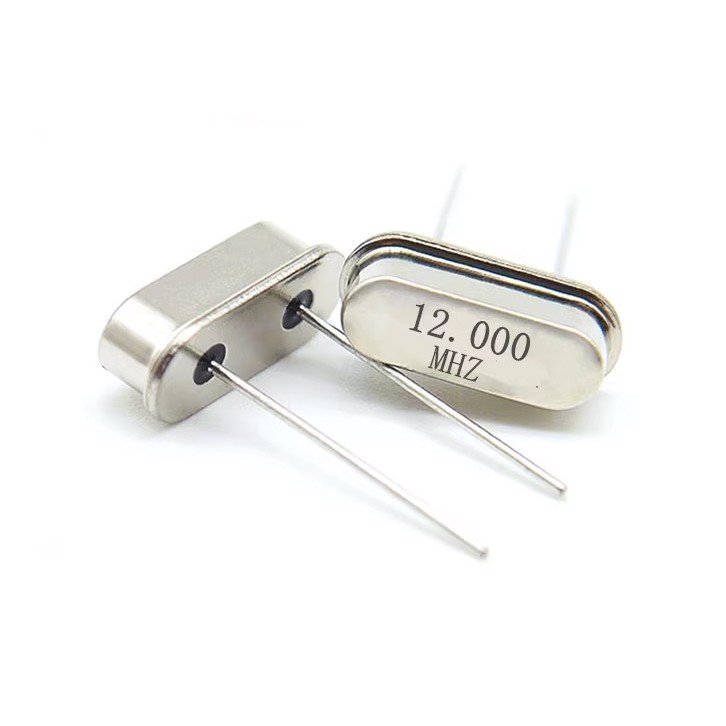
1. Crystal oscillator classification
Generally, crystal oscillators are divided into two types: active crystal oscillators and passive crystal oscillators.
Active crystal oscillators are also called crystal oscillators; passive crystal oscillators are sometimes called passive crystals and crystal resonators. As for which name is more professional and accurate, I think there is no need to argue. The name is just a code name. As long as everyone knows what they are talking about when communicating at work.
To put it simply, an active crystal oscillator can output an oscillation signal when it is powered on by itself; passive crystals must add additional circuits to oscillate.
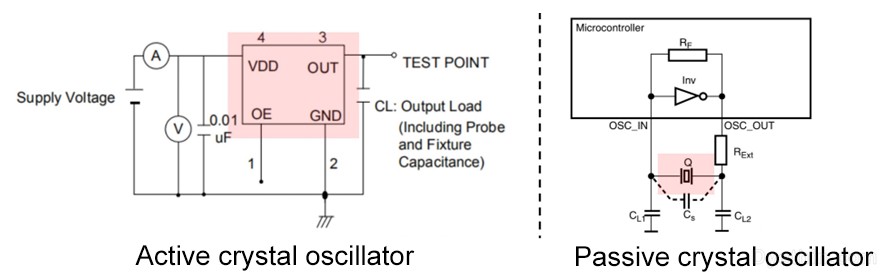
The above classification is from the perspective of use. If we just look at the internal structure of the crystal oscillator, we will find that the active crystal oscillator contains a passive crystal oscillator, and then the resistor, capacitor, amplification and other circuits are also included, and the overall package is well packaged. Let us use it again.
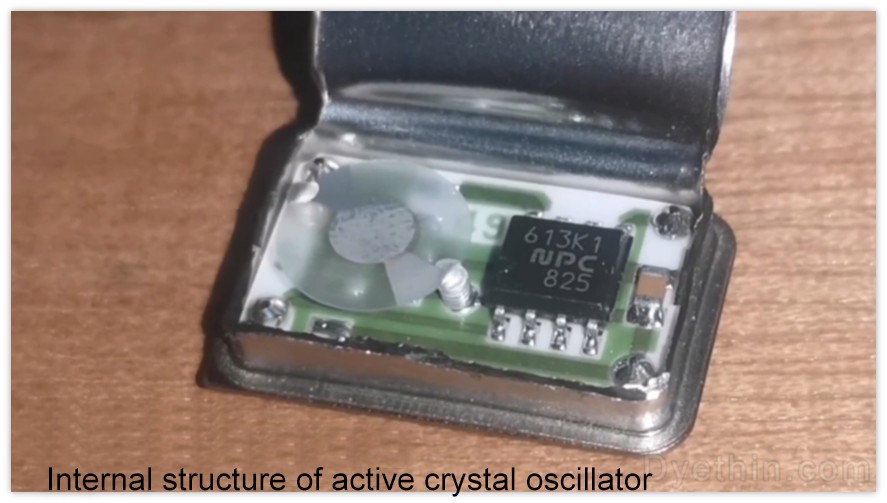
The internal structure of the active crystal oscillator contains a passive crystal oscillator, so generally speaking, the active crystal oscillator is more expensive than the passive crystal oscillator. On the other hand, as long as we understand the characteristics of passive crystal oscillators, active crystal oscillators are almost the same. After all, the active crystal oscillator can be regarded as a specific circuit made of passive crystal oscillator, which can output an oscillation signal when powered on.
Therefore, below we will only look at passive crystal oscillators (crystal resonators).
2. Crystal resonator structure
First of all, the crystal in the crystal resonator refers to quartz crystal, and its chemical formula is silicon dioxide SiO2.
The characteristics of quartz are: small thermal expansion coefficient, high Q value, insulation, etc.
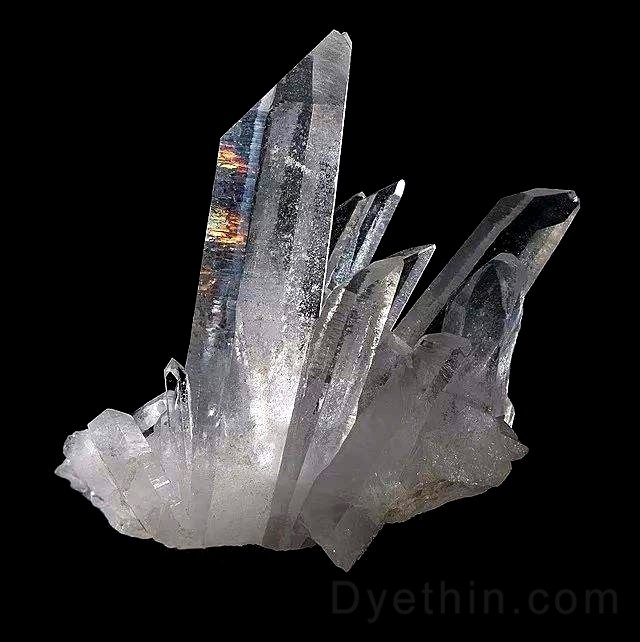
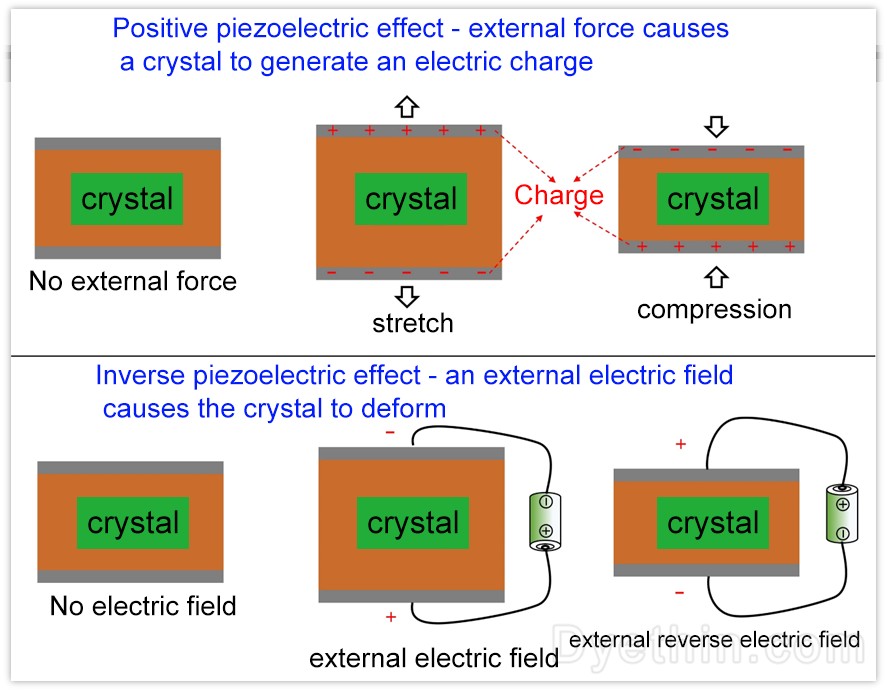
Quartz can be made into a crystal resonator, mainly by utilizing the piezoelectric effect. The piezoelectric effect is divided into the positive piezoelectric effect and the inverse piezoelectric effect. The following is its definition:
positive piezoelectric effect
The positive piezoelectric effect refers to the phenomenon of electrical polarization due to deformation. When physical pressure is applied to a piezoelectric material, the electric dipole moment in the material body will become shorter due to compression. At this time, in order to resist this change, the piezoelectric material will generate equal amounts of positive and negative charges on the opposite surfaces of the material to maintain As is. This phenomenon of electrical polarization due to deformation is called the "positive piezoelectric effect". The positive piezoelectric effect is essentially the process of converting mechanical energy into electrical energy.
Inverse piezoelectric effect
The inverse piezoelectric effect means that when an electric field is applied in the polarization direction of a dielectric, these dielectrics will produce mechanical deformation or mechanical pressure in a certain direction. When the external electric field is removed, these deformations or stresses will disappear.
The meaning corresponds to the picture below:
The schematic diagram of the crystal structure is as follows:
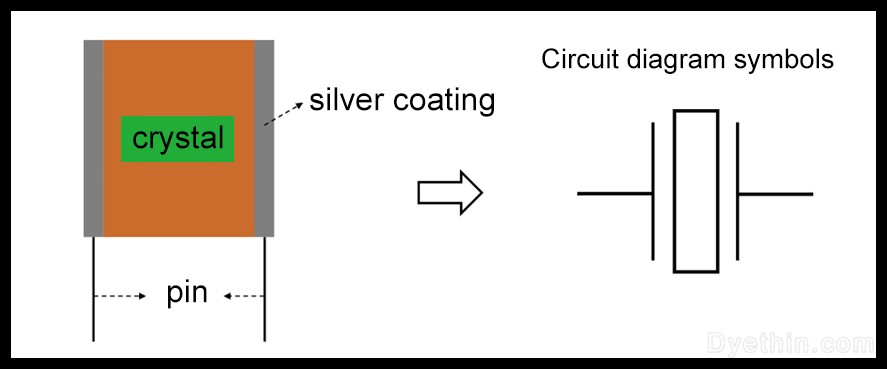
The left side of the picture above is a schematic diagram of the crystal structure, and the right side is the symbol of our common crystal oscillator. Are the two similar?
Based on the previous understanding of the piezoelectric effect, crystals can convert electrical energy into mechanical energy, and then mechanical energy can be converted into electrical energy. If an alternating current is supplied to the crystal, wouldn't it shrink and expand for a while? Isn't this mechanical vibration?
We know that after the physical size and structure of mechanical vibration are fixed, it generally has a natural vibration frequency. When the frequency of the external signal is equal to the natural vibration frequency, resonance will occur and resonance will occur.
Obviously, the frequency of the crystal oscillator should be said to be the natural oscillation frequency. Passive crystals are also called "crystal resonators", and this is probably what "resonance" means here.
In addition, since the working principle is mechanical vibration, the performance is naturally closely related to the size and structure of the crystal. I also checked this aspect, and it is indeed the case.
3. The relationship between crystal oscillator frequency, slice thickness and cutting process
The cutting process is to cut the crystal coordinate axis at a certain angle. There are many types of cuts. Because quartz is anisotropic, different cuts have different physical properties.
The angle between the direction of the section and the main axis has a very important impact on its performance, such as frequency stability, Q value, temperature performance, etc.
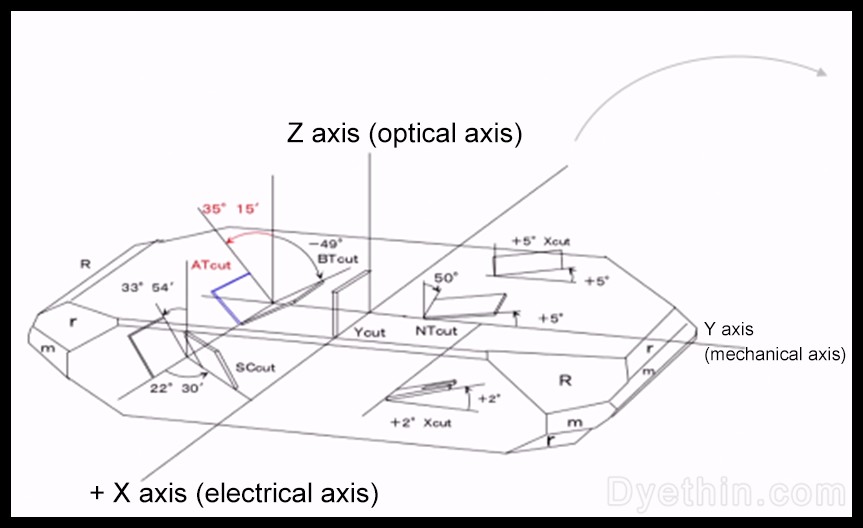
There are two common cutting types: AT and BT cutting.
For crystal oscillators of the same frequency, the temperature coefficient of AT cut is smaller than that of BT cut, and the slice thickness is thinner, but the Q value is lower than that of BT cut.
The following is the relationship between crystal frequency, slice thickness and cutting type:
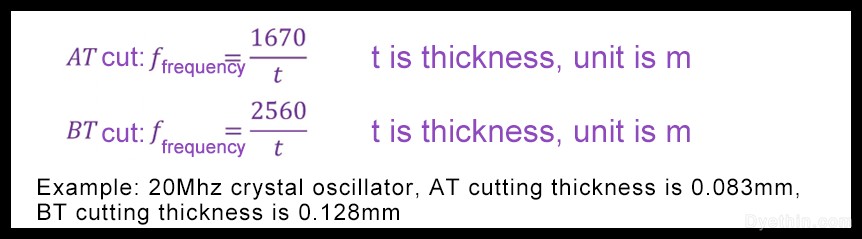
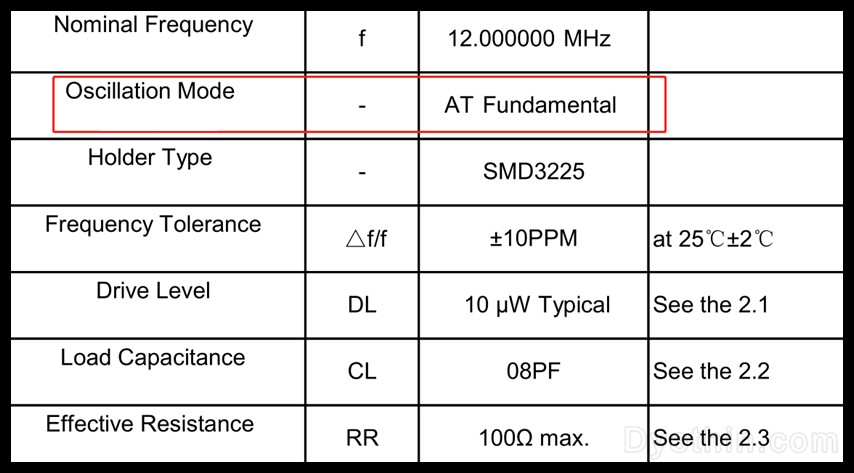
Generally, the cutting type is also given in the crystal oscillator manual. I wonder if you have paid attention to this parameter?
4. Special crystal oscillator - 32.768Khz
As can be seen from the picture above, the AT-cut 20Mhz crystal oscillator has a very thin slice, only 0.083mm, but the frequency is reduced to 32.768Khz. If it is still AT-cut, the thickness is 0.083mm*20Mhz/32.768Khz=50.66mm.
Obviously, this size is too big!
The 32.768khz crystal oscillator we see in reality is obviously not that big, so it is certain that the 32.768khz crystal oscillator is not AT or BT cut, but should be in other ways.
32.768Khz is generally a tuning fork structure, which is the following:
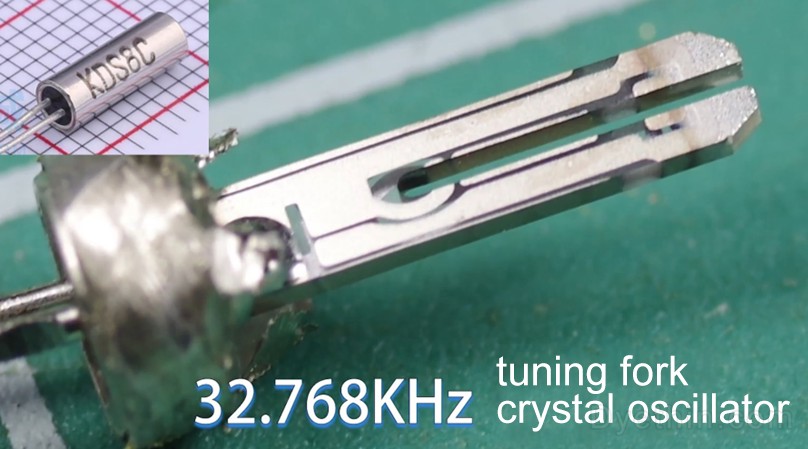
I think it may be because the conventional AT and BT slicing methods cannot make low-frequency crystal oscillators (the size is too large), so 32.768Khz adopts this tuning fork structure.
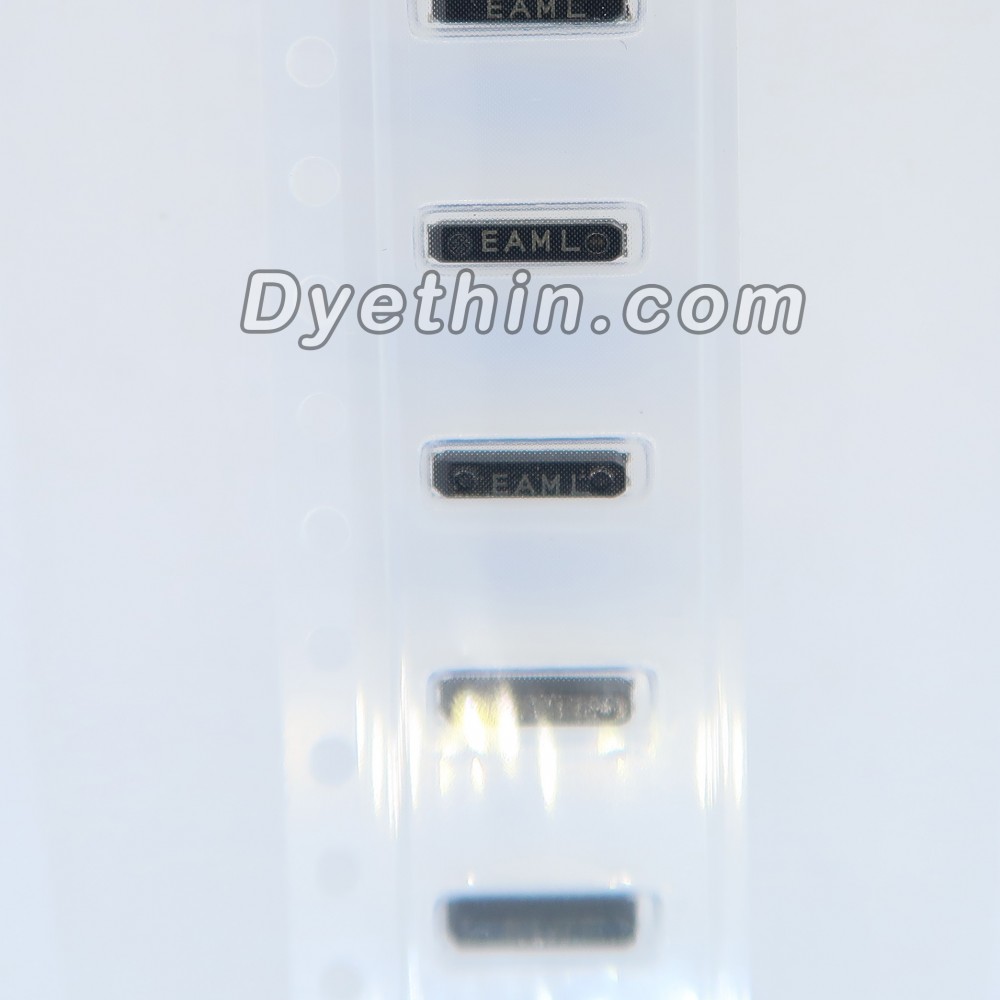
This reminds me of when I first started using a 32.768Khz crystal oscillator, and I was forced to choose an MC-146 package. At that time, I still thought it was strange: other crystal oscillators can be packaged like 3225, but you are the only one who has a special one with a long package. It must be so strange...


Articles you may also like
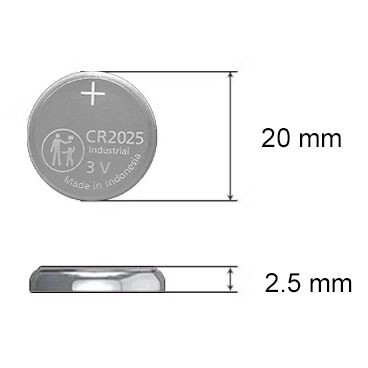
CR2025 Battery: Equivalent, Specifications and Replacements
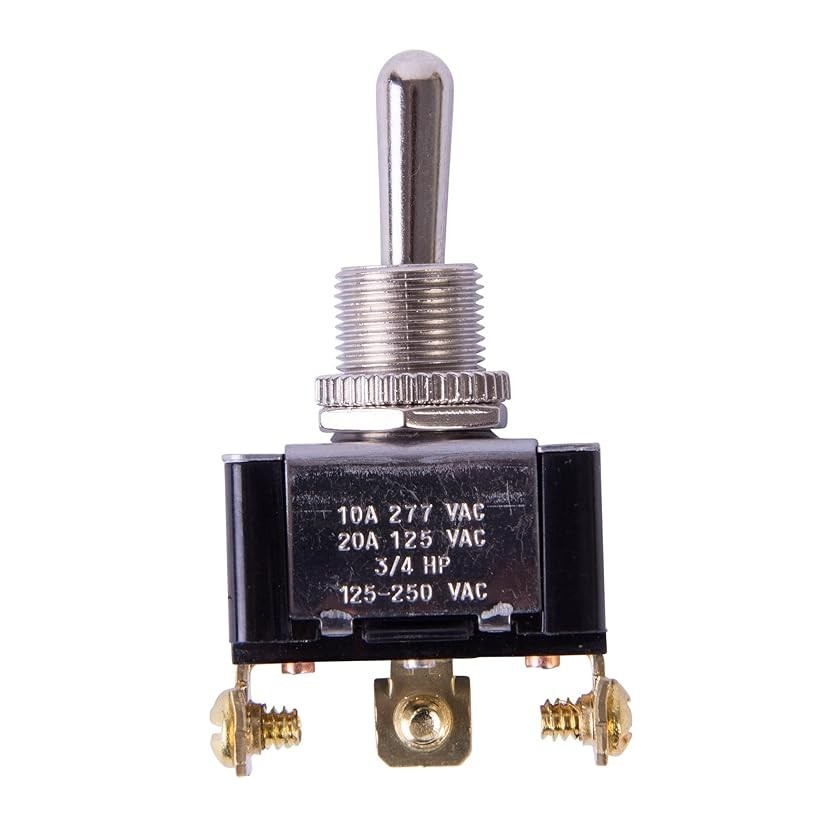
Understanding Toggle Switches: A Comprehensive Guide
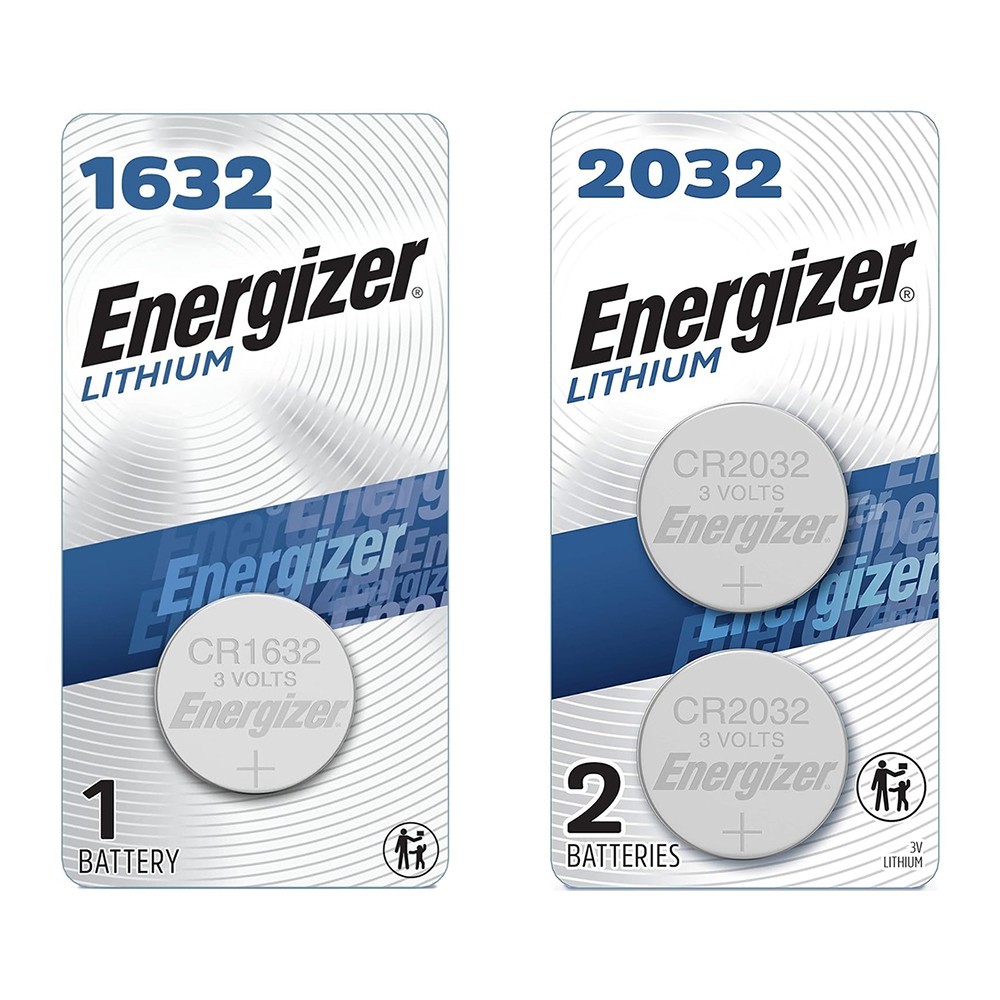
CR1632 vs CR2032: Are CR1632 and CR2032 battery equivalent?

CR1616 Battery Equivalent: Best Replacement Guide

-
-
-
-
-
cirrus-logic-inc
Audio DSP with 4 DACs, 2 ADCs, 192 kHz S/PDIF, SRC, and low-power design
-
-
-
-