














- Startseite
- Featured Products
- Texas Instruments
- Texas Instruments PCM5242 Chip vs ESS Chip Comparison
Texas Instruments PCM5242 Chip vs ESS Chip Comparison
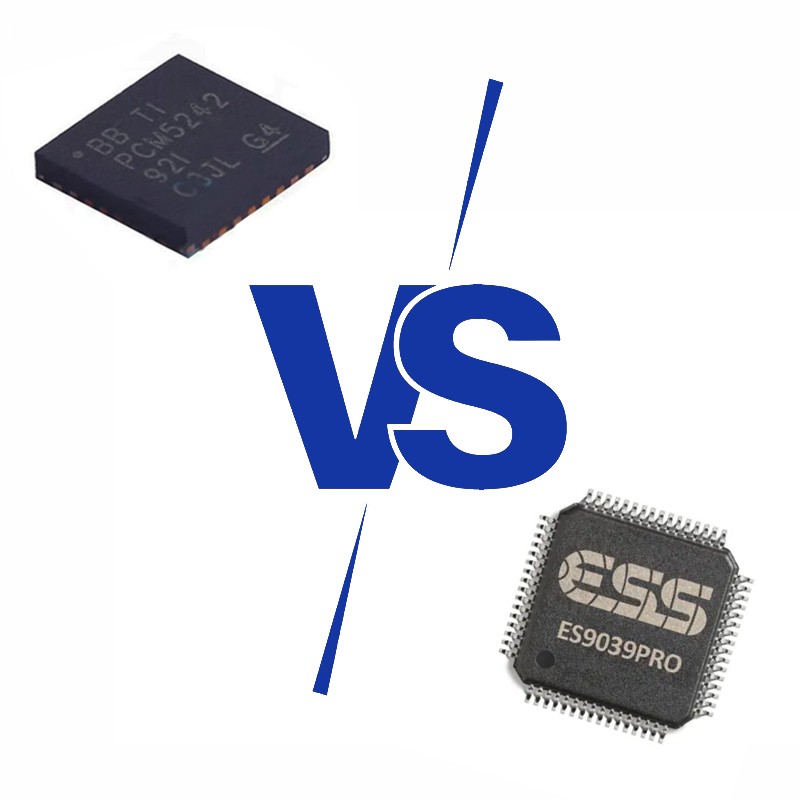
With digital audio reaching new heights in both consumer and professional fields, the choice of DACs(Digital-to-Analog Converters) has become critical for ensuring high-quality audio reproduction. DACs, integral in converting digital audio signals into analogue formats, vary significantly in quality and capabilities, impacting everything from dynamic range to jitter control. This article provides a comprehensive comparison of two renowned brands in the DAC market: Texas Instruments' PCM5242 and ESS Technology's flagship ES9038PRO and its sibling, the ES9028PRO. We'll cover each DAC's specifications, unique features, and applications to help you decide which solution best fits your audio needs.
The Role of DAC Technology in Modern Audio
A DAC (Digital-to-Analog Converter) transforms digital audio signals into analogue sound waves, allowing digital audio content to be played through speakers and headphones. The quality of a DAC directly impacts the sound quality, as the device's ability to maintain signal fidelity determines how accurately audio signals are reproduced. Key performance indicators such as signal-to-noise ratio (SNR), total harmonic distortion plus noise (THD+N), and dynamic range reveal a DAC's potential for clarity and accuracy.
High-end DACs from Texas Instruments and ESS offer exceptional audio reproduction capabilities, making them popular in both consumer-grade audio systems and professional studio equipment. Texas Instruments' PCM5242 and the ESS ES9038PRO and ES9028PRO stand out for their innovative design and advanced features, offering high precision and rich audio quality.
Texas Instruments PCM5242 Overview
The PCM5242, a 32-bit audio DAC from Texas Instruments, has gained attention for its efficiency and robust performance. It is designed with Texas Instruments’ DirectPath™ technology, which includes ground-biased outputs that eliminate the need for DC-blocking capacitors. This DAC, with a 4.2 VRMS differential output, is ideal for applications demanding high-quality audio output within a limited power budget.
Key Features of PCM5242:
Dynamic Range and SNR: 114 dB, ensuring clear sound reproduction with minimal background noise.
Sample Rate: Supports up to 384 kHz, accommodating a wide range of audio files, from standard to high-resolution formats.
THD+N: Provides a THD+N of –94 dB, which means minimal distortion in the audio output.
Power Efficiency: Operates with a 3.3V analog supply and an optional 1.8V or 3.3V digital supply.
Output Configuration: It features a differential output with 4.2 VRMS output, which is suitable for eliminating DC-blocking capacitors in applications.
The PCM5242 is designed for both consumer and professional applications, from A/V receivers to HDTVs and Blu-ray players, where high-quality audio is desired without complex power requirements.
ESS Chip Overview
ESS ES9038PRO and ES9028PRO
ESS chip's ES9038PRO and ES9028PRO represent two of the highest-performing DACs in the SABRE PRO series. Both chips are designed for audiophiles and professional audio equipment, with an emphasis on high dynamic range and low distortion. The ES9038PRO is the flagship DAC in the SABRE series, supporting a remarkable dynamic range of 140 dB and ultra-low THD+N of –122 dB.
Key Features of ES9038PRO and ES9028PRO:
Dynamic Range (DNR): ES9038PRO offers 140 dB, while ES9028PRO provides 135 dB.
THD+N: Both models deliver low THD+N, with ES9038PRO at –122 dB and ES9028PRO at –120 dB, allowing for clean, precise audio.
Sample Rate: Both chips support up to 768 kHz, handling high-resolution formats seamlessly.
Jitter Management: Time Domain Jitter Eliminator minimizes timing errors, ensuring clean and distortion-free playback.
Output Flexibility: These chips support mono, stereo, and 8-channel outputs, making them versatile for different audio setups.
Designed primarily for professional applications, these chips are commonly found in studio equipment, high-end home audio setups, and audiophile-grade DACs.
Detailed Specifications Comparison
To provide a direct comparison, let's examine the technical specifications of the PCM5242, ES9038PRO, and ES9028PRO in a table:
| Feature | PCM5242 | ES9038PRO | ES9028PRO |
| Dynamic Range (DNR) | 114 dB | 140 dB | 135 dB |
| THD+N | –94 dB | –122 dB | –120 dB |
| Sampling Rate | Up to 384 kHz | Up to 768 kHz | Up to 768 kHz |
| Output Configuration | Differential 4.2 VRMS | Mono, Stereo, 8-channel | Mono, Stereo, 8-channel |
| Power Requirements | 3.3V analog, 1.8V/3.3V digital | 1.2V core with additional supplies | 1.2V core with additional supplies |
| Clock Management | Integrated PLL | Time Domain Jitter Eliminator | Time Domain Jitter Eliminator |
This table highlights the strengths of each DAC, with the ESS chips excelling in dynamic range and sample rate support, making them suitable for audiophile applications, while the PCM5242 offers a more power-efficient option for mid-range audio equipment.
PCM5242 Features and Capabilities
The Texas Instruments PCM5242 is designed to deliver quality audio with high power efficiency, making it suitable for both consumer and semi-professional applications. It operates with a 3.3V analogue supply and an optional 1.8V or 3.3V digital supply. Key features that set the PCM5242 apart include its DirectPath™ technology and integrated PLL, which reduce noise and improve the clarity of audio signals.
Differential Output with 4.2 VRMS: The PCM5242’s DirectPath™ ground-biased differential outputs eliminate the need for DC-blocking capacitors, simplifying design and improving signal integrity.
MiniDSP Core: Integrated miniDSP allows for customizations in filtering and interpolations, giving designers control over the sound profile.
Jitter Control: The integrated PLL provides sufficient jitter management for most consumer applications, ensuring clean audio signals.
Flexible Digital Input Formats: Supports I2S, left-justified, right-justified, and TDM PCM data formats, making it adaptable to a variety of devices and data sources.
These features make the PCM5242 a versatile choice for consumer applications where high performance meets efficient design.
ESS chips Features and Capabilities
ES9038PRO and ES9028PRO
ESS Technology’s ES9038PRO and ES9028PRO are known for their exceptional performance in dynamic range and ultra-low THD+N. Both chips incorporate the ESS HyperStream® II architecture, which is optimized for high-resolution audio and supports up to 768 kHz PCM and DSD formats.
Time Domain Jitter Eliminator: ESS's proprietary jitter management technology minimizes clock-induced distortion, providing superior audio clarity.
Output Versatility: Both chips support mono, stereo, and 8-channel configurations, ideal for high-end audio setups.
User-programmable filters: The seven preset filters allow audio engineers to adjust the sound profile, supporting both linear and minimum phase as well as low-delay options.
High Dynamic Range: ES9038PRO's 140 dB and ES9028PRO’s 135 dB dynamic range are among the highest available, ideal for professional and audiophile applications.
With these capabilities, the ES9038PRO and ES9028PRO are preferred choices for high-end applications where sound fidelity and control are paramount.
Comparing Performance: Texas Instruments PCM5242 vs. ESS Chips
| Feature | Texas Instruments PCM5242 | ESS ES9038PRO | ESS ES9028PRO |
| Dynamic Range (DNR) | 114 dB | 140 dB | 135 dB |
| THD+N (Total Harmonic Distortion + Noise) | –94 dB | –122 dB | –120 dB |
| Maximum Sampling Rate | Up to 384 kHz | Up to 768 kHz | Up to 768 kHz |
| Output Configuration | Differential 4.2 VRMS | Mono, Stereo, 8-channel | Mono, Stereo, 8-channel |
| Power Supply Requirements | 3.3V analog, 1.8V/3.3V digital | 1.2V core, additional analog/digital supplies | 1.2V core, additional analog/digital supplies |
| Clock and Jitter Management | Integrated PLL | Time Domain Jitter Eliminator | Time Domain Jitter Eliminator |
| Filter Options | Programmable miniDSP filters | 7 preset filters (linear/minimum phase, low-delay) | 7 preset filters (linear/minimum phase, low-delay) |
| Applications | Consumer audio (A/V receivers, Blu-ray players) | Professional audio, high-end home audio | Professional audio, high-end home audio |
In performance testing, ESS chips demonstrate superior dynamic range and lower distortion compared to the PCM5242. This makes them ideal for demanding applications such as studio recording and high-fidelity home audio systems. The PCM5242, however, offers excellent performance in power-sensitive applications, making it suitable for consumer devices like A/V receivers and portable audio players.
Power Requirements and Efficiency
One of the significant differences between these chips is their power requirements. The PCM5242, designed for consumer electronics, operates with a 3.3V analogue supply and can be powered with either a 1.8V or 3.3V digital supply, offering a flexible, power-efficient solution. The ESS chips, while delivering high-end performance, require a 1.2V core supply with additional supplies for analogue and digital signals, making them more power-intensive
Real-World Applications
PCM5242: Ideal for A/V receivers, Blu-ray players, and HDTV receivers where balanced audio quality and power efficiency are essential.
ES9038PRO and ES9028PRO: Suited for professional audio equipment, studio consoles, digital preamplifiers, and high-end home audio systems due to their superior audio fidelity.
Cost-Performance Analysis
In terms of cost, the PCM5242 offers a more budget-friendly option with reasonable performance for consumer applications. The ES9038PRO and ES9028PRO, however, represent a higher price point but deliver unmatched quality in dynamic range and distortion control, justifying the cost in professional and audiophile applications.
User Experience and Audio Quality Comparison
User feedback suggests that the ESS chips provide a noticeably richer, more detailed audio experience, ideal for critical listening environments. The PCM5242, while delivering clean and robust sound, is optimized more for consumer audio setups where energy efficiency and cost are priorities.
Pros and Cons of Each Chip
PCM5242 Pros:
Cost-effective and power-efficient
DirectPath™ output simplifies design
Versatile digital input support
PCM5242 Cons:
Limited in dynamic range compared to ESS chips
Higher THD+N than ES9038PRO and ES9028PRO
ES9038PRO and ES9028PRO Pros:
Exceptional dynamic range and low distortion
Flexible output configuration and programmable filters
Advanced jitter control with Time Domain Jitter Eliminator
ES9038PRO and ES9028PRO Cons:
Higher power requirements
Higher cost compared to PCM5242
Choosing the Right DAC for Your Needs
The choice between Texas Instruments' PCM5242 and ESS's ES9038PRO/ES9028PRO depends on the application requirements. For professional audio and audiophile-grade systems, ESS's high-end chips provide unmatched audio fidelity. However, for consumer applications where cost and power efficiency are essential, the PCM5242 is an excellent choice.
Conclusion
Both Texas Instruments and ESS Technology offer powerful DAC solutions tailored to different needs. The PCM5242 shines in consumer applications due to its efficiency and flexibility, while the ES9038PRO and ES9028PRO excel in professional environments that demand high precision and audio clarity. Select the DAC that best fits your project's requirements, whether it's energy-efficient consumer audio or high-fidelity professional setups.

FAQs
Articles you may also like
TPL5010 hardware watchdog circuit
Operational amplifier IC LM358 pinout diagram and functions
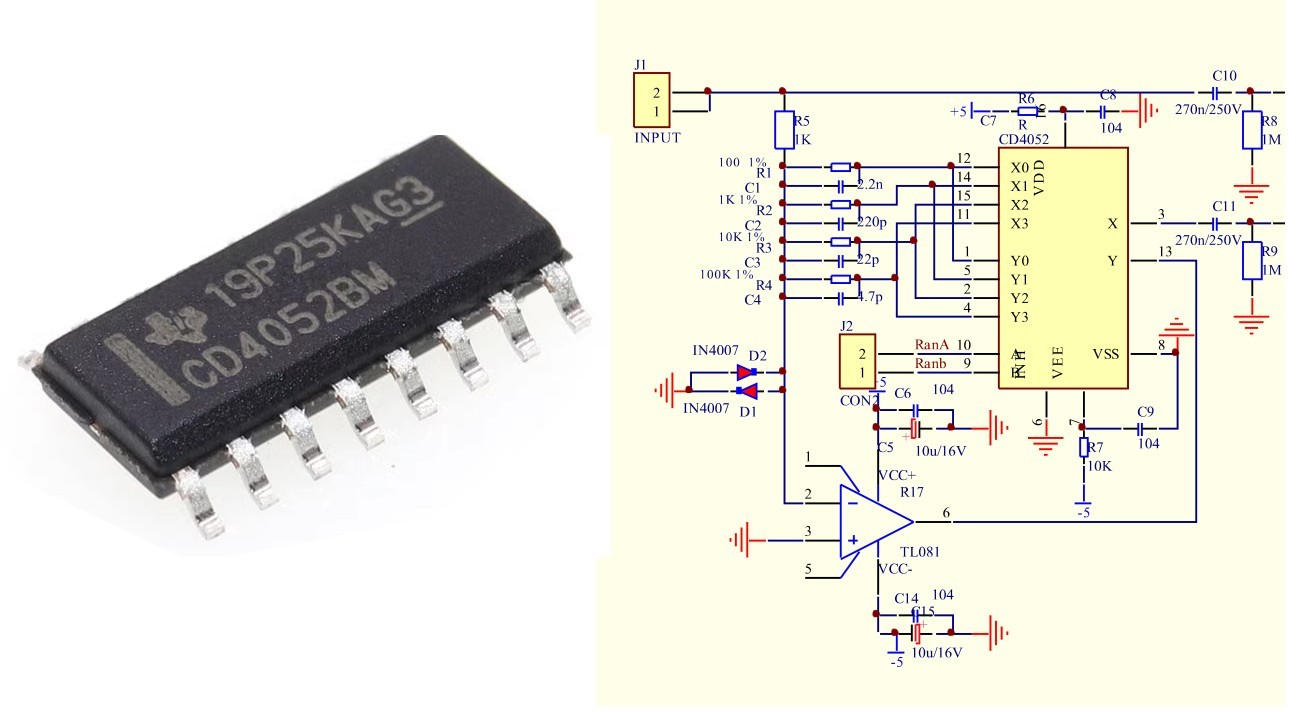
Logic IC CD4052 Comprehensive understanding and usage guide
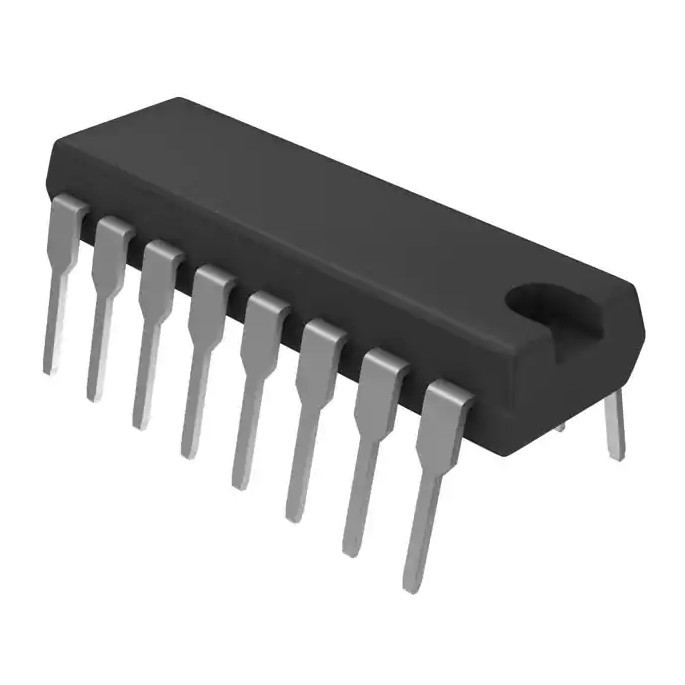
74LS161AN Functionality Explained: Funcion, Pinout & Datasheet

-
-
-
-
-
-
-
-
-
stmicroelectronics
ARM® Cortex®-M7 STM32H7 Microcontroller IC 32-Bit Single-Core 280MHz 128KB (128K x 8) FLASH 100-LQFP (14x14)